


- Afhalen na 1 uur in een winkel met voorraad
- Gratis thuislevering in België vanaf € 30
- Ruim aanbod met 7 miljoen producten
- Afhalen na 1 uur in een winkel met voorraad
- Gratis thuislevering in België vanaf € 30
- Ruim aanbod met 7 miljoen producten





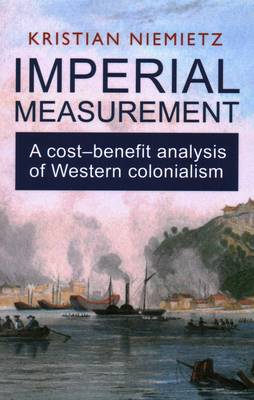
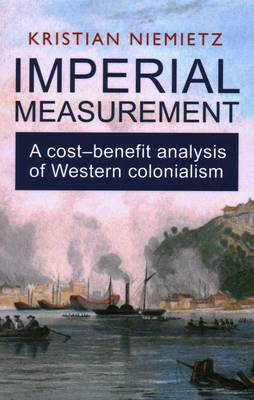
Imperial Measurement
A Cost-Benefit Analysis of Western Colonialism: A Cost-Benefit Analysis of Western Colonialism
Kristian Niemietz
Paperback | Engels
€ 16,45
+ 32 punten
Omschrijving
Why did the West become rich? Was it the product of institutions, culture, and economic policies? Or were foreign expansion, imperialist exploitation and the slave trade the keys to prosperity? In this book, Kristian Niemietz takes the reader beyond the 'Culture War' debates around the legacy of the British Empire, and looks at the economics of imperialism. By examining the empirical work of modern historians of colonialism, as well as the views of contemporary figures ranging from Adam Smith to Karl Marx, Niemietz explores a debate which has raged for three centuries and is only growing more contentious. Drawing on data from various European colonial empires, Niemietz casts doubt on the claim - popular among both 19th-century imperialists and modern-day progressives - that empire was a crucial factor in the West's rise to prosperity. Instead, he shows that - its immorality aside - Western colonialism was simply bad economics. Far from being a story of plunder leading to sustained growth, the story of empire is an all too familiar tale of vested interests using the state to secure private benefits while leaving the taxpayer to foot the bill.
Specificaties
Betrokkenen
- Auteur(s):
- Uitgeverij:
Inhoud
- Aantal bladzijden:
- 88
- Taal:
- Engels
Eigenschappen
- Productcode (EAN):
- 9780255368391
- Verschijningsdatum:
- 18/04/2024
- Uitvoering:
- Paperback
- Formaat:
- Trade paperback (VS)
- Afmetingen:
- 129 mm x 198 mm
- Gewicht:
- 95 g


Alleen bij Standaard Boekhandel
+ 32 punten op je klantenkaart van Standaard Boekhandel
Cadeau

AANGERADEN


Beoordelingen
We publiceren alleen reviews die voldoen aan de voorwaarden voor reviews. Bekijk onze voorwaarden voor reviews.