



Bedankt voor het vertrouwen het afgelopen jaar! Om jou te bedanken bieden we GRATIS verzending (in België) aan op alles gedurende de hele maand januari.
- Afhalen na 1 uur in een winkel met voorraad
- In januari gratis thuislevering in België
- Ruim aanbod met 7 miljoen producten
Bedankt voor het vertrouwen het afgelopen jaar! Om jou te bedanken bieden we GRATIS verzending (in België) aan op alles gedurende de hele maand januari.
- Afhalen na 1 uur in een winkel met voorraad
- In januari gratis thuislevering in België
- Ruim aanbod met 7 miljoen producten





€ 22,45
+ 44 punten
Omschrijving
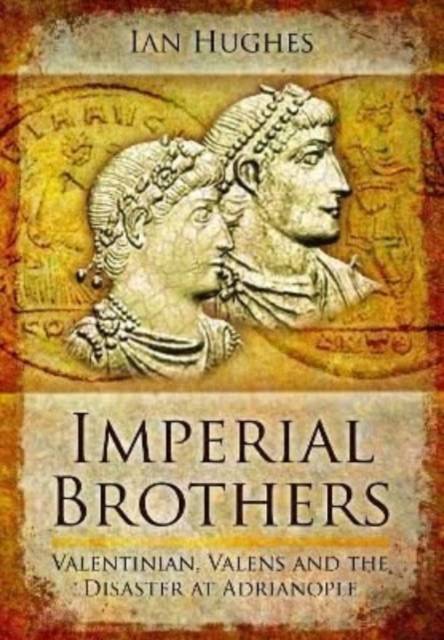
The latest of Ian Hughes' Late Roman biographies here tackles the careers of the brother emperors, Valentinian and Valens. Valentian was selected and proclaimed as emperor in AD 364, when the Empire was still reeling from the disastrous defeat and death in battle of Julian the Apostate (363) and the short reign of his murdered successor, Jovian (364). With the Empire weakened and vulnerable to a victorious Persia in the East and opportunistic Germanic tribes along the Rhine and Danube frontiers, not to mention usurpers and rebellions within, it was not an enviable position. Valentian decided the responsibility had to be divided (not for the first or last time) and appointed his brother as his co-emperor to rule the eastern half of the Empire. Valentinian went on to stabilize the Western Empire, quelling revolt in North Africa, defeating the 'Barbarian Conspiracy' that attacked Britain in 367 and conducting successful wars against the Germanic Alemanni, Quadi and Saxons; he is remembered by History as a strong and successful Emperor. Valens on the other hand, fare less well and is most remembered for his (mis)treatment of the Goths who sought refuge within the Empire's borders from the westward-moving Huns. Valens mishandling of this situation led to the Battle of Adrianople in 378, where he was killed and Rome suffered one of the worst defeats in her long history, often seen as the 'beginning of the end' for the Western Roman empire. Ian Hughes, by tracing the careers of both men in tandem, compares their achievements and analyzes the extent to which they deserve the contrasting reputations handed down by history.
Specificaties
Betrokkenen
- Auteur(s):
- Uitgeverij:
Inhoud
- Aantal bladzijden:
- 304
- Taal:
- Engels
Eigenschappen
- Productcode (EAN):
- 9781399074490
- Verschijningsdatum:
- 20/07/2022
- Uitvoering:
- Paperback
- Formaat:
- Trade paperback (VS)
- Afmetingen:
- 155 mm x 231 mm
- Gewicht:
- 528 g


Alleen bij Standaard Boekhandel
+ 44 punten op je klantenkaart van Standaard Boekhandel
SOLDEN


Beoordelingen
We publiceren alleen reviews die voldoen aan de voorwaarden voor reviews. Bekijk onze voorwaarden voor reviews.