


- Afhalen na 1 uur in een winkel met voorraad
- Gratis thuislevering in België vanaf € 30
- Ruim aanbod met 7 miljoen producten
- Afhalen na 1 uur in een winkel met voorraad
- Gratis thuislevering in België vanaf € 30
- Ruim aanbod met 7 miljoen producten





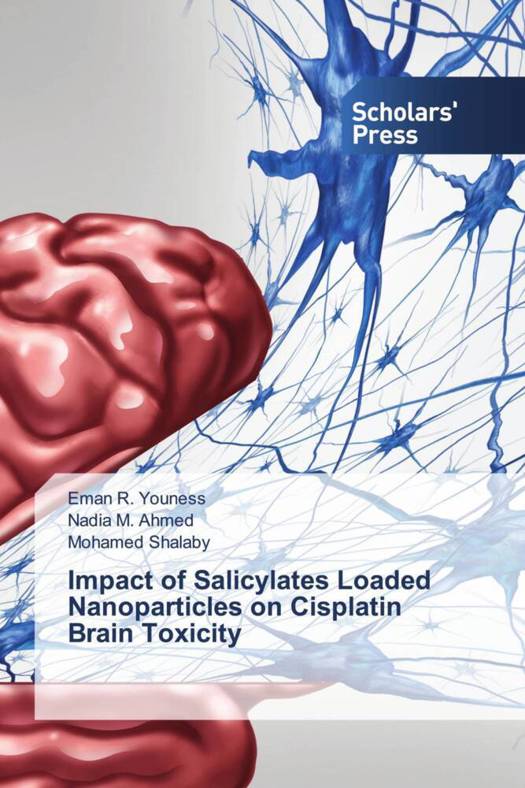
Impact of Salicylates Loaded Nanoparticles on Cisplatin Brain Toxicity
DE
Eman R. Youness, Nadia M. Ahmed, Mohamed Shalaby
Paperback | Engels
€ 50,45
+ 100 punten
Omschrijving
The outcome of neurotoxicity depends on the duration and extent of exposure to the toxic substance, as well as the degree of neural damage. Exposure to neurotoxins can be fatal in some cases, while in others, patients survive but may not completely recover. In other cases, patient do completely recover after receiving treatment.Drug toxicity can develop at normal therapeutic doses of a drug or as a result of an acute overdose. In some cases, toxicity occurs in the majority of treated individuals because of the nature of the drug (e.g. cytotoxic agents used for cancer chemotherapy), but significant toxicity is rare with the majority of commonly prescribed drugs when used at recommended dosages.The mechanism of action of cisplatin is mediated by the interaction of cisplatin with DNA in order to for DNA adducts. The principle of action involves exerting its cytotoxicity upon cancer cells through the formation of DNA adducts that include mono-, inter, and intrastrand cisplatin DNA cross-links that arrest the cell cycle at S, G1 or G2-M thus induces apoptosis.
Specificaties
Betrokkenen
- Auteur(s):
- Uitgeverij:
Inhoud
- Aantal bladzijden:
- 64
- Taal:
- Engels
Eigenschappen
- Productcode (EAN):
- 9783659846120
- Uitvoering:
- Paperback
- Afmetingen:
- 150 mm x 220 mm


Alleen bij Standaard Boekhandel
+ 100 punten op je klantenkaart van Standaard Boekhandel

Beoordelingen
We publiceren alleen reviews die voldoen aan de voorwaarden voor reviews. Bekijk onze voorwaarden voor reviews.