


- Afhalen na 1 uur in een winkel met voorraad
- Gratis thuislevering in België vanaf € 30
- Ruim aanbod met 7 miljoen producten
- Afhalen na 1 uur in een winkel met voorraad
- Gratis thuislevering in België vanaf € 30
- Ruim aanbod met 7 miljoen producten





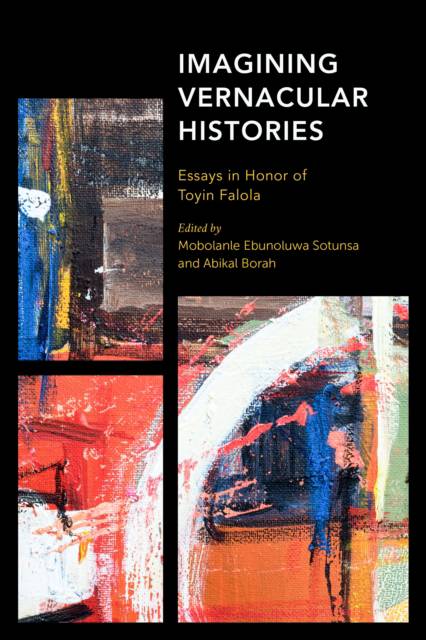
Imagining Vernacular Histories
Essays in Honor of Toyin Falola
€ 254,45
+ 508 punten
Omschrijving
Imagining Vernacular Histories is centered on the idea of engaging with indigenous African cosmologies that signal at pluriversality. In conversation with Toyin Falola's reading of the African pluriverse and his exploration of the idea of "ritual archives," the contributors to this volume rethink the historical archive in search of vernacular histories. Simultaneously, they recognize the contributions from various other disciplines in pluralizing the term vernacular. The book brings together a wide range of topics, such as reflections on African historiography; the relationship between memory, history and literature; gender relations; and the construction of historical archives. While appropriating Falola's conception of vernacular histories, the contributors collectively argue that pluriversality and ritual archives can potentially rescue African historical and creative scholarship from the sustained practices of epistemicide. Simultaneously, Imagining Vernacular Histories focuses on the emerging interdisciplinary conversations on constructing the pluriverse as well as on the geopolitics of knowledge production. Through a critical appreciation of Falola's engagement with the ideas of postcoloniality, decolonizing epistemologies, and pluriversality, this book locates his scholarship in relation to postcolonial theory emerging from the Global South.
Specificaties
Betrokkenen
- Uitgeverij:
Inhoud
- Aantal bladzijden:
- 304
- Taal:
- Engels
- Reeks:
Eigenschappen
- Productcode (EAN):
- 9781786614612
- Verschijningsdatum:
- 17/08/2020
- Uitvoering:
- Hardcover
- Formaat:
- Genaaid
- Afmetingen:
- 152 mm x 229 mm
- Gewicht:
- 616 g


Alleen bij Standaard Boekhandel
+ 508 punten op je klantenkaart van Standaard Boekhandel
Cadeau

AANGERADEN


Beoordelingen
We publiceren alleen reviews die voldoen aan de voorwaarden voor reviews. Bekijk onze voorwaarden voor reviews.