


- Afhalen na 1 uur in een winkel met voorraad
- Gratis thuislevering in België vanaf € 30
- Ruim aanbod met 7 miljoen producten
- Afhalen na 1 uur in een winkel met voorraad
- Gratis thuislevering in België vanaf € 30
- Ruim aanbod met 7 miljoen producten





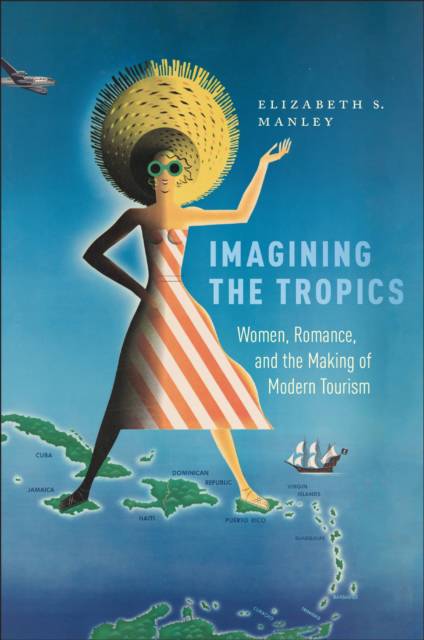
Imagining the Tropics
Women, Romance, and the Making of Modern Tourism
Elizabeth S Manley, Elizabeth Manley
€ 48,45
+ 96 punten
Omschrijving
Imagining the Tropics is a history of the development of tourism in the Caribbean from the 1910s through the 1970s that focuses on the ways women's labors of hospitality, writing, and advocacy built the industry and its ubiquitous imagery of tropical island relaxation, escape, and romance. By examining a range of sources, engaging an array of women protagonists, and looking broadly across multiple Caribbean island-states including Jamaica, Cuba, the Bahamas, Barbados, the Dominican Republic, Haiti, Puerto Rico, Trinidad and Tobago, and the U.S. and British Virgin Islands, it seeks to understand how the region came to be sold as a romantic escape from the "troubles" of the modern world. By putting women at the center of Caribbean tourism history--as both its ambassadors and objects of desire--it seeks to explain some of the complicated contradictions that plague the business of pleasure but also to point toward ways of building alternative models to its present and past extractive realities.
Specificaties
Betrokkenen
- Auteur(s):
- Uitgeverij:
Inhoud
- Aantal bladzijden:
- 218
- Taal:
- Engels
- Reeks:
Eigenschappen
- Productcode (EAN):
- 9781978826892
- Verschijningsdatum:
- 13/05/2025
- Uitvoering:
- Paperback
- Formaat:
- Trade paperback (VS)
- Afmetingen:
- 162 mm x 232 mm
- Gewicht:
- 340 g


Alleen bij Standaard Boekhandel
+ 96 punten op je klantenkaart van Standaard Boekhandel
AANGERADEN


Beoordelingen
We publiceren alleen reviews die voldoen aan de voorwaarden voor reviews. Bekijk onze voorwaarden voor reviews.