


- Afhalen na 1 uur in een winkel met voorraad
- Gratis thuislevering in België vanaf € 30
- Ruim aanbod met 7 miljoen producten
- Afhalen na 1 uur in een winkel met voorraad
- Gratis thuislevering in België vanaf € 30
- Ruim aanbod met 7 miljoen producten





€ 64,45
+ 128 punten
Eenvoudig bestellen
Veilig betalen


Gratis thuislevering vanaf € 30 (via bpost)
Gratis levering in je Standaard Boekhandel
Omschrijving
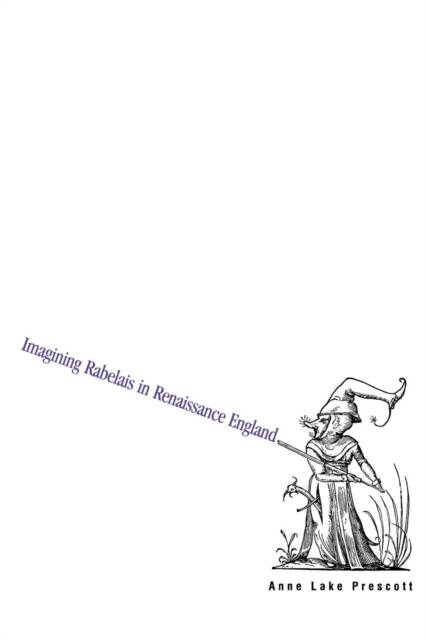
Famed for his learning, wordplay, clever fantasy, and insight, the notorious French writer Francois Rabelais (1494?-1553) was also widely known for scoffing, supposed atheism, salacious writing, and irresponsible whimsy. This engaging book is the first exploration in more than sixty years of Renaissance England's response to the humorous yet difficult and ambiguous Rabelais. Anne Lake Prescott describes in entertaining detail how a host of English writers-Philip Sidney, Ben Jonson, John Webster, John Donne, James I, Shakespeare, and Michael Drayton, among many others-collectively and sometimes individually appreciated and condemned Rabelais. Prescott documents the extent to which Rabelais's name and work permeated Renaissance English literature and thought. Tudor and Stuart writers quoted him, told funny or scandalous stories about him, imitated him, abhorred him, even judged Rabelais without reading him. In this wide range of responses, from the urbanely appreciative to the pompous and grumpy, Prescott finds new understandings of cultural ambivalence and the ambiguities of literary reception. She shows that precisely because Rabelais's reputation was contradictory, appropriating his name or words was useful in Renaissance England for expressing division on topics ranging from authorship and sex to heresy and political secrets.
Specificaties
Betrokkenen
- Auteur(s):
- Uitgeverij:
Inhoud
- Aantal bladzijden:
- 278
- Taal:
- Engels
Eigenschappen
- Productcode (EAN):
- 9780300199826
- Verschijningsdatum:
- 1/03/1998
- Uitvoering:
- Paperback
- Formaat:
- Trade paperback (VS)
- Afmetingen:
- 156 mm x 234 mm
- Gewicht:
- 430 g


Alleen bij Standaard Boekhandel
+ 128 punten op je klantenkaart van Standaard Boekhandel
CADEAU

AANGERADEN


Beoordelingen
We publiceren alleen reviews die voldoen aan de voorwaarden voor reviews. Bekijk onze voorwaarden voor reviews.