


- Afhalen na 1 uur in een winkel met voorraad
- Gratis thuislevering in België vanaf € 30
- Ruim aanbod met 7 miljoen producten
- Afhalen na 1 uur in een winkel met voorraad
- Gratis thuislevering in België vanaf € 30
- Ruim aanbod met 7 miljoen producten





€ 67,95
+ 135 punten
Omschrijving
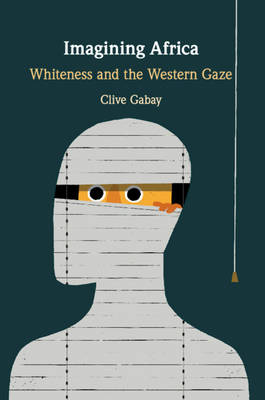
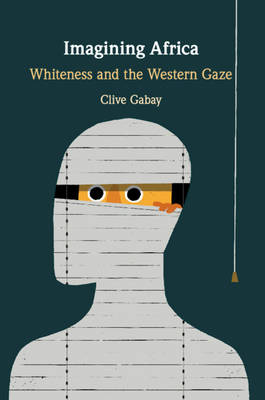
There has been a long history of idealism concerning the potential of economic and political developments in Africa, the latest iteration of which emerged around the time of the 2007-8 global financial crisis. Here, Clive Gabay takes a historical approach to questions concerning change and international order as these apply to Africa in Western imaginaries. Challenging traditional postcolonial accounts that see the West imagine itself as superior to Africa, he argues that the centrality of racial anxieties concerning white supremacy make Africa appear, at moments of Western crisis, as the saviour of Western ideals, specifically democracy, bureaucracy, and neoclassical economic order. Uncommonly, this book turns its lens as much inwards as outwards, interrogating how changing attitudes to Africa over the course of the twentieth and early twenty-first centuries correspond to shifting anxieties concerning whiteness, and the growing hope that Africa will be the place where the historical genius of whiteness might be saved and perpetuated.
Specificaties
Betrokkenen
- Auteur(s):
- Uitgeverij:
Inhoud
- Aantal bladzijden:
- 284
- Taal:
- Engels
Eigenschappen
- Productcode (EAN):
- 9781108461924
- Verschijningsdatum:
- 18/06/2020
- Uitvoering:
- Paperback
- Formaat:
- Trade paperback (VS)
- Afmetingen:
- 152 mm x 229 mm
- Gewicht:
- 381 g


Alleen bij Standaard Boekhandel
+ 135 punten op je klantenkaart van Standaard Boekhandel
Cadeau

AANGERADEN


Beoordelingen
We publiceren alleen reviews die voldoen aan de voorwaarden voor reviews. Bekijk onze voorwaarden voor reviews.