


- Afhalen na 1 uur in een winkel met voorraad
- Gratis thuislevering in België vanaf € 30
- Ruim aanbod met 7 miljoen producten
- Afhalen na 1 uur in een winkel met voorraad
- Gratis thuislevering in België vanaf € 30
- Ruim aanbod met 7 miljoen producten





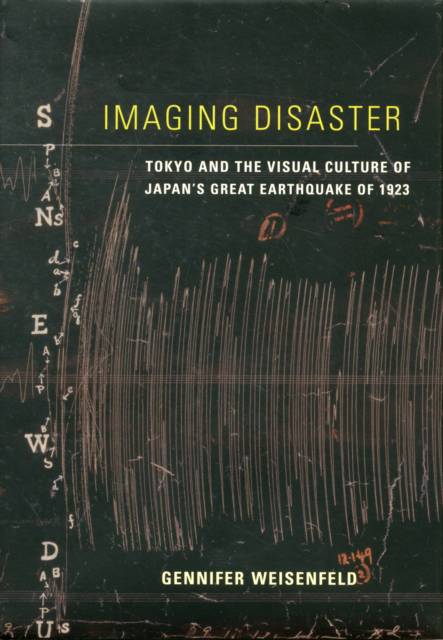
Imaging Disaster
Tokyo and the Visual Culture of Japan's Great Earthquake of 1923 Volume 22
Gennifer Weisenfeld
€ 110,45
+ 220 punten
Omschrijving
Focusing on one landmark catastrophic event in the history of an emerging modern nation--the Great Kanto Earthquake that devastated Tokyo and surrounding areas in 1923--this fascinating volume examines the history of the visual production of the disaster. The Kanto earthquake triggered cultural responses that ran the gamut from voyeuristic and macabre thrill to the romantic sublime, media spectacle to sacred space, mournful commemoration to emancipatory euphoria, and national solidarity to racist vigilantism and sociopolitical critique. Looking at photography, cinema, painting, postcards, sketching, urban planning, and even scientific visualizations, Weisenfeld demonstrates how visual culture has powerfully mediated the evolving historical understanding of this major national disaster, ultimately enfolding mourning and memory into modernization.
Specificaties
Betrokkenen
- Auteur(s):
- Uitgeverij:
Inhoud
- Aantal bladzijden:
- 400
- Taal:
- Engels
- Reeks:
- Reeksnummer:
- nr. 22
Eigenschappen
- Productcode (EAN):
- 9780520271951
- Verschijningsdatum:
- 14/11/2012
- Uitvoering:
- Hardcover
- Formaat:
- Genaaid
- Afmetingen:
- 178 mm x 257 mm
- Gewicht:
- 1161 g



Alleen bij Standaard Boekhandel
+ 220 punten op je klantenkaart van Standaard Boekhandel
Cadeau

AANGERADEN


Beoordelingen
We publiceren alleen reviews die voldoen aan de voorwaarden voor reviews. Bekijk onze voorwaarden voor reviews.