


Bedankt voor het vertrouwen het afgelopen jaar! Om jou te bedanken bieden we GRATIS verzending (in België) aan op alles gedurende de hele maand januari.
- Afhalen na 1 uur in een winkel met voorraad
- In januari gratis thuislevering in België
- Ruim aanbod met 7 miljoen producten
Bedankt voor het vertrouwen het afgelopen jaar! Om jou te bedanken bieden we GRATIS verzending (in België) aan op alles gedurende de hele maand januari.
- Afhalen na 1 uur in een winkel met voorraad
- In januari gratis thuislevering in België
- Ruim aanbod met 7 miljoen producten





€ 54,45
+ 108 punten
Omschrijving
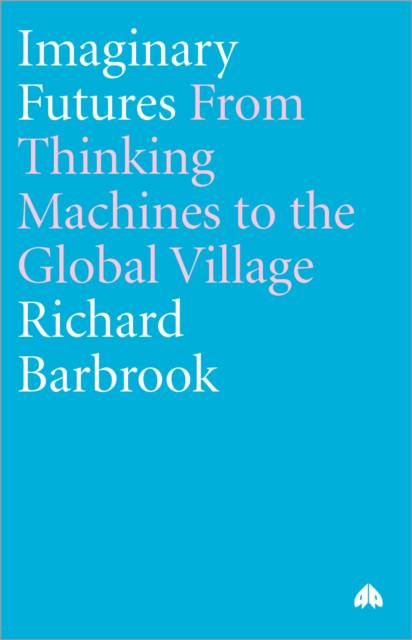
This book is a history of the future. It shows how our contemporary understanding of the Internet is shaped by visions of the future that were put together in the 1950s and 1960s. At the height of the Cold War, the Americans invented the only working model of communism in human history: the Internet. Yet, for all of its libertarian potential, the goal of this hi-tech project was geopolitical dominance: the ownership of time was control over the destiny of humanity. The potentially subversive theory of cybernetics was transformed into the military-friendly project of 'artificial intelligence'. Capitalist growth became the fastest route to the 'information society'. The rest of the world was expected to follow America's path into the networked future. Today, we're still being told that the Internet is creating the information society - and that America today is everywhere else tomorrow. Thankfully, at the beginning of the twenty-first century, the DIY ethic of the Internet shows that people can resist these authoritarian prophecies by shaping information technologies in their own interest. Ultimately, if we don't want the future to be what it used to be, we must invent our own, improved and truly revolutionary future.
Specificaties
Betrokkenen
- Auteur(s):
- Uitgeverij:
Inhoud
- Aantal bladzijden:
- 336
- Taal:
- Engels
Eigenschappen
- Productcode (EAN):
- 9780745326603
- Verschijningsdatum:
- 20/04/2007
- Uitvoering:
- Paperback
- Formaat:
- Trade paperback (VS)
- Afmetingen:
- 139 mm x 214 mm
- Gewicht:
- 521 g



Alleen bij Standaard Boekhandel
+ 108 punten op je klantenkaart van Standaard Boekhandel
SOLDEN


Beoordelingen
We publiceren alleen reviews die voldoen aan de voorwaarden voor reviews. Bekijk onze voorwaarden voor reviews.