


- Afhalen na 1 uur in een winkel met voorraad
- Gratis thuislevering in België vanaf € 30
- Ruim aanbod met 7 miljoen producten
- Afhalen na 1 uur in een winkel met voorraad
- Gratis thuislevering in België vanaf € 30
- Ruim aanbod met 7 miljoen producten





€ 107,95
+ 215 punten
Omschrijving
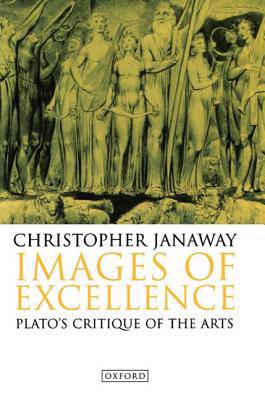
This original new book argues for a reassessment of Plato's challenge to the arts. Plato was the first great figure in Western philosophy to assess the value of the arts; he argued in the Republic that traditionally accepted forms of poetry, drama, and music are unsound. While this view has been widely rejected, Janaway argues that Plato's hostile case is a more coherent and profound challenge to the arts than has sometimes been supposed. Denying that Plato advocates "good art" in any modern sense, Janaway seeks both to understand Plato's critique in the context of his own philosophy and to locate him in today's philosophy of art, showing how issues in aesthetics arise from responses to his charges.
Specificaties
Betrokkenen
- Auteur(s):
- Uitgeverij:
Inhoud
- Aantal bladzijden:
- 236
- Taal:
- Engels
Eigenschappen
- Productcode (EAN):
- 9780198237921
- Verschijningsdatum:
- 3/09/1998
- Uitvoering:
- Paperback
- Formaat:
- Trade paperback (VS)
- Afmetingen:
- 137 mm x 215 mm
- Gewicht:
- 322 g


Alleen bij Standaard Boekhandel
+ 215 punten op je klantenkaart van Standaard Boekhandel
Cadeau

AANGERADEN


Beoordelingen
We publiceren alleen reviews die voldoen aan de voorwaarden voor reviews. Bekijk onze voorwaarden voor reviews.