


- Afhalen na 1 uur in een winkel met voorraad
- Gratis thuislevering in België vanaf € 30
- Ruim aanbod met 7 miljoen producten
- Afhalen na 1 uur in een winkel met voorraad
- Gratis thuislevering in België vanaf € 30
- Ruim aanbod met 7 miljoen producten





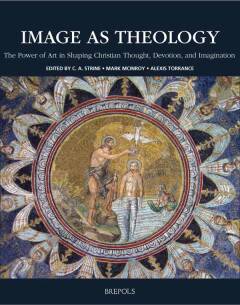
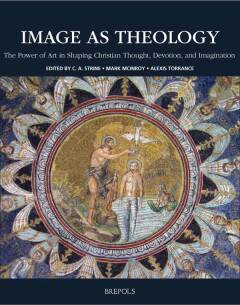
Image as Theology
The Power of Art in Shaping Christian Thought, Devotion, and Imagination
Strine Casey
€ 116,60
+ 233 punten
Omschrijving
Our lives are saturated with images. They exert an unparalleled power in contemporary culture. However, the power of images is in fact nothing new. Although texts are often the most important historical sources for academics, the image played an enormous role for those who actually lived in these past societies. Images communicated all manner of concepts and messages to a much wider audience than theological texts. Throughout history, images frequently depicted God, human beings, and their relationship in a manner that was meant to teach theology and inspire awe. Historically speaking, most people who have done theological reflection have done so in intimate conversation with the images seen in sacred spaces. This volume explores how images themselves are theology, how they influence sacred texts and theological concepts in a way that words cannot on their own. In part one, the book presents five essays investigating the ways in which images have shaped sacred and theological texts. In part two, the book offers five discussions of the sort of theological work that images can perform that words are unable to do. The volume concludes by outlining areas for future research and exploration based on the insights achieved among the chapters. The collection is, in its totality, a celebration of how central the image has been in shaping theology and how it should continue to do so.
Specificaties
Betrokkenen
- Auteur(s):
- Uitgeverij:
Inhoud
- Aantal bladzijden:
- 244
- Taal:
- Engels
- Reeks:
- Reeksnummer:
- nr. 6
Eigenschappen
- Productcode (EAN):
- 9782503581217
- Verschijningsdatum:
- 11/08/2022
- Uitvoering:
- Hardcover
- Formaat:
- Genaaid
- Afmetingen:
- 219 mm x 279 mm
- Gewicht:
- 15549 g


Alleen bij Standaard Boekhandel
+ 233 punten op je klantenkaart van Standaard Boekhandel
Cadeau

AANGERADEN


Beoordelingen
We publiceren alleen reviews die voldoen aan de voorwaarden voor reviews. Bekijk onze voorwaarden voor reviews.