


- Afhalen na 1 uur in een winkel met voorraad
- Gratis thuislevering in België vanaf € 30
- Ruim aanbod met 7 miljoen producten
- Afhalen na 1 uur in een winkel met voorraad
- Gratis thuislevering in België vanaf € 30
- Ruim aanbod met 7 miljoen producten





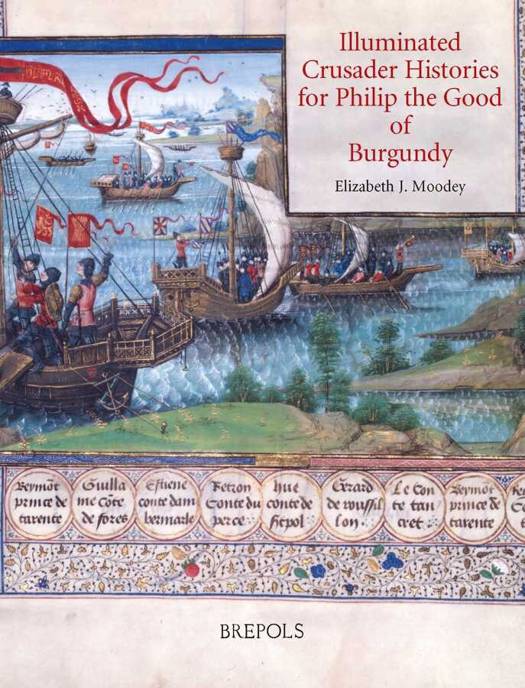
Illuminated Crusader Histories for Philip the Good of Burgundy
Elizabeth Moodey
€ 127,20
+ 254 punten
Omschrijving
Philip the Good, duke of Burgundy from 1419 to 1467, distinguished himself as a patron of illuminated histories and historical romances, and as host of the most lavish entertainment of the middle ages. The Banquet of the Pheasant was a response to the Fall of Constantinople, and it was staged to enlist support for the coming crusade. Two splendid tributes to heroic crusaders from the duke's family tree, commissioned in the 1450s, provide an opportunity to bring these elements of his reputation-bibliophile and would-be crusader--under the same lens. Our perception of the Charlemagne Chronicle in Brussels (BR, MS 9066-68) and the Jerusalem Chronicle in Vienna (ONB, Cod. 2533) is enhanced when we consider other examples of crusade literature and remember the perennial goal of recovering Jerusalem. This study of the visual and literary projects that supported Philip's efforts to launch a crusade, long after the days of the classic crusades, sets these manuscripts in the context of his court's interest in history writing and updated historical romances, and against the background of the French crusading tradition and the Burgundian incarnation that succeeded it. Elizabeth J. Moodey is Assistant Professor at the Vanderbilt University. She teaches the history of illuminated manuscripts, the culture of the Burgundian court, and the art of medieval Europe, with an emphasis on materials and technique and questions of patronage.
Specificaties
Betrokkenen
- Auteur(s):
- Uitgeverij:
Inhoud
- Aantal bladzijden:
- 320
- Taal:
- Engels
- Reeks:
- Reeksnummer:
- nr. 12
Eigenschappen
- Productcode (EAN):
- 9782503518046
- Verschijningsdatum:
- 26/12/2012
- Uitvoering:
- Hardcover
- Formaat:
- Genaaid
- Gewicht:
- 1105 g


Alleen bij Standaard Boekhandel
+ 254 punten op je klantenkaart van Standaard Boekhandel
Cadeau

AANGERADEN


Beoordelingen
We publiceren alleen reviews die voldoen aan de voorwaarden voor reviews. Bekijk onze voorwaarden voor reviews.