


- Afhalen na 1 uur in een winkel met voorraad
- Gratis thuislevering in België vanaf € 30
- Ruim aanbod met 7 miljoen producten
- Afhalen na 1 uur in een winkel met voorraad
- Gratis thuislevering in België vanaf € 30
- Ruim aanbod met 7 miljoen producten





€ 187,45
+ 374 punten
Omschrijving
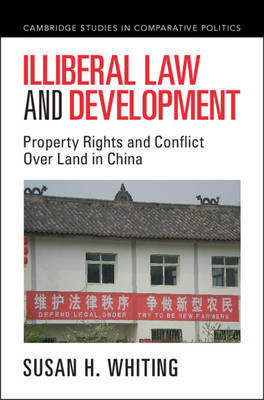
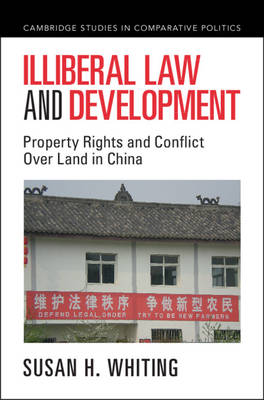
In Illiberal Law and Development, Susan H. Whiting advances institutional economic theory with original survey and fieldwork data, addressing two puzzles in Chinese political economy: how economic development has occurred despite insecure property rights and weak rule of law; and how the Chinese state has maintained political control amid unrest. Whiting answers these questions by focusing on the role of illiberal law in reassigning property rights and redirecting grievances. The book reveals that, in the context of technological change, a legal system that facilitates reassignment of land rights to higher-value uses plays an important and under-theorized role in promoting economic development. This system simultaneously represses conflict and asserts legitimacy. Comparing China to post-Glorious Revolution England and contemporary India, Whiting presents an exciting new argument that brings the Chinese case more directly into debates in comparative politics about the role of the state in specifying property rights and maintaining authoritarian rule.
Specificaties
Betrokkenen
- Auteur(s):
- Uitgeverij:
Inhoud
- Aantal bladzijden:
- 255
- Taal:
- Engels
- Reeks:
Eigenschappen
- Productcode (EAN):
- 9781316512098
- Verschijningsdatum:
- 9/04/2026
- Uitvoering:
- Hardcover
- Formaat:
- Genaaid
- Afmetingen:
- 152 mm x 229 mm
- Gewicht:
- 512 g


Alleen bij Standaard Boekhandel
+ 374 punten op je klantenkaart van Standaard Boekhandel
Cadeau

AANGERADEN


Beoordelingen
We publiceren alleen reviews die voldoen aan de voorwaarden voor reviews. Bekijk onze voorwaarden voor reviews.