


- Afhalen na 1 uur in een winkel met voorraad
- Gratis thuislevering in België vanaf € 30
- Ruim aanbod met 7 miljoen producten
- Afhalen na 1 uur in een winkel met voorraad
- Gratis thuislevering in België vanaf € 30
- Ruim aanbod met 7 miljoen producten




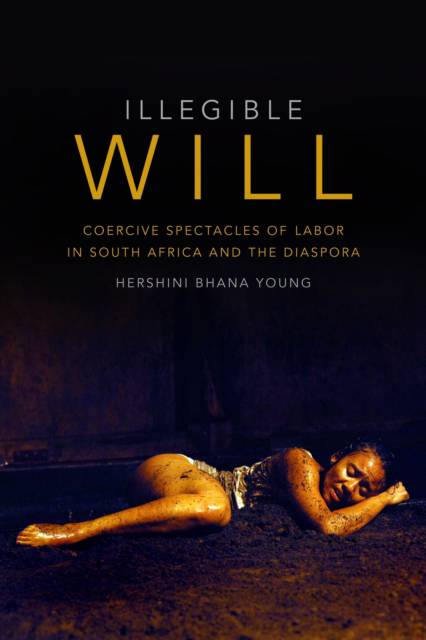
Illegible Will
Coercive Spectacles of Labor in South Africa and the Diaspora
Hershini Bhana Young
Paperback | Engels
€ 53,45
+ 106 punten
Uitvoering
Omschrijving
In Illegible Will Hershini Bhana Young engages with the archive of South African and black diasporic performance to examine the absence of black women's will from that archive. Young argues for that will's illegibility, given the paucity of materials outlining the agency of black historical subjects. Drawing on court documents, novels, photographs, historical records, websites, and descriptions of music and dance, Young shows how black will can be conjured through critical imaginings done in concert with historical research. She critically imagines the will of familiar subjects such as Sarah Baartman and that of obscure figures such as the eighteenth-century slave Tryntjie of Madagascar, who was executed in 1713 for attempting to poison her mistress. She also investigates the presence of will in contemporary expressive culture, such as the Miss Landmine Angola beauty pageant, placing it in the long genealogy of the freak show. In these capacious case studies Young situates South African performance within African diasporic circuits of meaning throughout Africa, North America, and South Asia, demonstrating how performative engagement with archival absence can locate that which was never recorded.
Specificaties
Betrokkenen
- Auteur(s):
- Uitgeverij:
Inhoud
- Aantal bladzijden:
- 280
- Taal:
- Engels
Eigenschappen
- Productcode (EAN):
- 9780822363200
- Verschijningsdatum:
- 10/03/2017
- Uitvoering:
- Paperback
- Formaat:
- Trade paperback (VS)
- Afmetingen:
- 152 mm x 226 mm
- Gewicht:
- 385 g



Alleen bij Standaard Boekhandel
+ 106 punten op je klantenkaart van Standaard Boekhandel
AANGERADEN


Beoordelingen
We publiceren alleen reviews die voldoen aan de voorwaarden voor reviews. Bekijk onze voorwaarden voor reviews.