


- Afhalen na 1 uur in een winkel met voorraad
- Gratis thuislevering in België vanaf € 30
- Ruim aanbod met 7 miljoen producten
- Afhalen na 1 uur in een winkel met voorraad
- Gratis thuislevering in België vanaf € 30
- Ruim aanbod met 7 miljoen producten





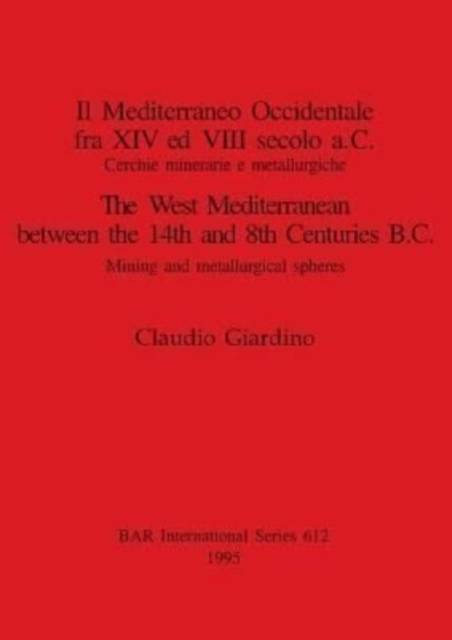
Il Mediterraneo Occidentale fra XIV ed VIII secolo a.C. / The West Mediterranean between the 14th and 8th Centuries B.C.
Claudio Giardino
€ 206,45
+ 412 punten
Omschrijving
Subtitled `mining and metallurgical spheres' this book starts with a geographic survey of known metal producers in the protohistoric West Mediterranean. Then the distribution of different metalwork forms is discussed, ranging from swords to fibulae. Two smaller sections cover protohistoric metallurgical technology and ships and navigation. This survey has the advantage of incorporating absolute dating and archaeometallurgical evidence into the conventional typologically based version. It also stresses the complexity of a commercial system where different forms seem to have moved in very different spheres. Of especial interest will be Giardino's views on the apparent lack of contact between Mycenean and West Med. metallurgical worlds and the existence of an Atlantic/West Med. stylistic `koine'. His suggestion that roving metal workers carried their technological skills round the Mediterranean world but remained stylistically open-minded revives a Childean doctrine of the `divine smith' and is sure to be controversial. Bilingual parallel texts in Italian and good English.
Specificaties
Betrokkenen
- Auteur(s):
- Uitgeverij:
Inhoud
- Aantal bladzijden:
- 420
- Taal:
- Engels
- Reeks:
- Reeksnummer:
- nr. 612
Eigenschappen
- Productcode (EAN):
- 9780860547938
- Verschijningsdatum:
- 1/06/1995
- Uitvoering:
- Paperback
- Formaat:
- Trade paperback (VS)
- Afmetingen:
- 210 mm x 297 mm
- Gewicht:
- 1347 g



Alleen bij Standaard Boekhandel
+ 412 punten op je klantenkaart van Standaard Boekhandel
Cadeau

AANGERADEN


Beoordelingen
We publiceren alleen reviews die voldoen aan de voorwaarden voor reviews. Bekijk onze voorwaarden voor reviews.