


- Afhalen na 1 uur in een winkel met voorraad
- Gratis thuislevering in België vanaf € 30
- Ruim aanbod met 7 miljoen producten
- Afhalen na 1 uur in een winkel met voorraad
- Gratis thuislevering in België vanaf € 30
- Ruim aanbod met 7 miljoen producten





€ 27,95
+ 55 punten
Omschrijving
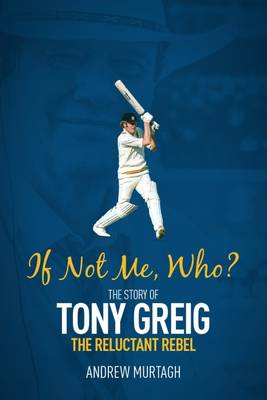
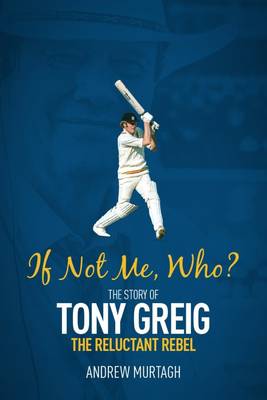
In March 1977, England cricket captain Tony Greig was arguably the most famous and popular sportsman in the country, and the best all-rounder in world cricket. He had recently led England to a famous series victory in India, her first successful campaign on the subcontinent since the Second World War. Then he had conjured a doughty performance from his travel-weary troops in the dramatic, one-off Centenary Test in Melbourne, narrowly losing by 45 runs. Within weeks, though, his reputation was in tatters. He was branded a traitor and mercenary, stripped of the England captaincy and excluded from the national side. He was also relieved of the Sussex captaincy and banned from first-class cricket for eight weeks. His involvement in the controversial 'Packer Revolution' had caused his fall from grace. Soon afterwards, he left England for good for a commentary career in Australia. At 6ft 7in, Greig was a giant of the game both figuratively and literally. His life story is every bit as fascinating as the controversy that engulfed him.
Specificaties
Betrokkenen
- Auteur(s):
- Uitgeverij:
Inhoud
- Aantal bladzijden:
- 384
- Taal:
- Engels
Eigenschappen
- Productcode (EAN):
- 9781785316418
- Verschijningsdatum:
- 1/10/2020
- Uitvoering:
- Hardcover
- Formaat:
- Genaaid
- Afmetingen:
- 155 mm x 236 mm
- Gewicht:
- 703 g


Alleen bij Standaard Boekhandel
+ 55 punten op je klantenkaart van Standaard Boekhandel
Cadeau

AANGERADEN


Beoordelingen
We publiceren alleen reviews die voldoen aan de voorwaarden voor reviews. Bekijk onze voorwaarden voor reviews.