


- Afhalen na 1 uur in een winkel met voorraad
- Gratis thuislevering in België vanaf € 30
- Ruim aanbod met 7 miljoen producten
- Afhalen na 1 uur in een winkel met voorraad
- Gratis thuislevering in België vanaf € 30
- Ruim aanbod met 7 miljoen producten





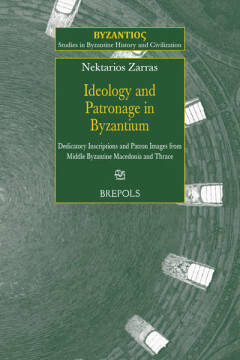
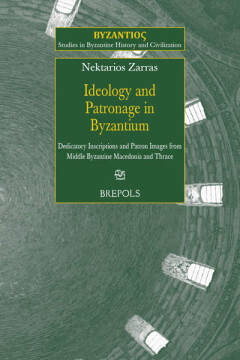
Ideology and Patronage in Byzantium
Dedicatory Inscriptions and Patron Images from Middle Byzantine Macedonia and Thrace
Nektarios Zarras
€ 68,90
+ 137 punten
Omschrijving
Based on the evidence of epigraphic material in combination with monumental painting, this book explores important dedicatory inscriptions (9th-beginning of the 13th c.) from Macedonia and Thrace, which have so far been investigated mainly from a philological-historical standpoint, thus neglecting the major issue of Middle Byzantine patronage. Through patron inscriptions and textual sources, the role and the motives of military officials in the patronage of defensive and fortification works, and the manner of publicizing them, are examined systematically. Patronage is looked at through the ideological messages that the donors endeavor to promote in a local society or monastic community, and which echo their relationship with the state and their views on education and faith. The new interpretations presented in this book result from the collation of historical, prosopographical, archaeological and visual data, which offer valuable evidence about military patronage, the relation of the donation to the personal life of the donor and his family, the spiritual life of monasticism and the building complex of the monastery, and the relationship between inscriptions, space and iconography. Interesting methodologically is the co-examination of the various categories of inscriptions in combination with historical texts and donor portraits, which opens up new avenues of research for the study of the interdisciplinary material in question. This book contributes to the ongoing scholarly dialogue on the crucial topics of the identity of patrons and the ideology surrounding Byzantine patronage.
Specificaties
Betrokkenen
- Auteur(s):
- Uitgeverij:
Inhoud
- Aantal bladzijden:
- 177
- Taal:
- Engels
- Reeks:
- Reeksnummer:
- nr. 21
Eigenschappen
- Productcode (EAN):
- 9782503605326
- Verschijningsdatum:
- 27/10/2023
- Uitvoering:
- Paperback
- Formaat:
- Trade paperback (VS)
- Gewicht:
- 307 g


Alleen bij Standaard Boekhandel
+ 137 punten op je klantenkaart van Standaard Boekhandel
Cadeau

AANGERADEN


Beoordelingen
We publiceren alleen reviews die voldoen aan de voorwaarden voor reviews. Bekijk onze voorwaarden voor reviews.