


- Afhalen na 1 uur in een winkel met voorraad
- Gratis thuislevering in België vanaf € 30
- Ruim aanbod met 7 miljoen producten
- Afhalen na 1 uur in een winkel met voorraad
- Gratis thuislevering in België vanaf € 30
- Ruim aanbod met 7 miljoen producten





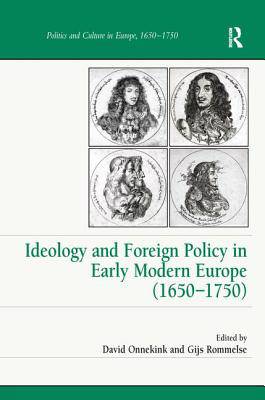
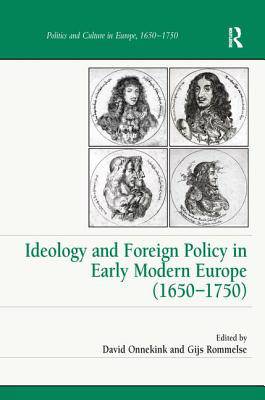
Ideology and Foreign Policy in Early Modern Europe (1650 1750)
€ 112,95
+ 225 punten
Omschrijving
By engaging with, and building upon recent theoretical developments, this collection sheds new light on international relations in the century between 1650 and 1750. Integrating cultural history with high politics and foreign policy, it also engages directly with themes discussed by political scientists and international relations theorists to argue that, this was far from being a 'de-ideologized' period. Instead it offers a fresh and genuinely interdisciplinary perspective to this complex and fundamental period in Europe's development, and one which puts ideology at its core.
Specificaties
Betrokkenen
- Uitgeverij:
Inhoud
- Aantal bladzijden:
- 336
- Taal:
- Engels
- Reeks:
Eigenschappen
- Productcode (EAN):
- 9781138278820
- Verschijningsdatum:
- 28/11/2016
- Uitvoering:
- Paperback
- Formaat:
- Trade paperback (VS)
- Afmetingen:
- 156 mm x 234 mm
- Gewicht:
- 471 g

Alleen bij Standaard Boekhandel
+ 225 punten op je klantenkaart van Standaard Boekhandel
Cadeau

AANGERADEN


Beoordelingen
We publiceren alleen reviews die voldoen aan de voorwaarden voor reviews. Bekijk onze voorwaarden voor reviews.