


- Afhalen na 1 uur in een winkel met voorraad
- Gratis thuislevering in België vanaf € 30
- Ruim aanbod met 7 miljoen producten
- Afhalen na 1 uur in een winkel met voorraad
- Gratis thuislevering in België vanaf € 30
- Ruim aanbod met 7 miljoen producten





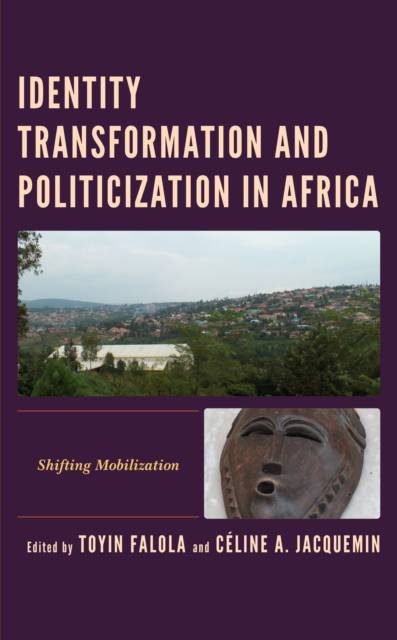
Identity Transformation and Politicization in Africa
Shifting Mobilization
€ 254,45
+ 508 punten
Omschrijving
Identity Transformation and Politicization in Africa: Shifting Mobilization, edited by Toyin Falola and Céline A. Jacquemin, questions whether identity is providing and sustaining power for elites, or fueling oppression and conflicts, being mobilized for exclusionary movements versus inclusive societal changes, or educating in ways that foster progress and development. Do aspects of African identities and the challenges they present also hold prospects for more inclusive and peaceful democratic and representative futures? The contributors cover a wide spectrum of expertise on different African countries (Kenya, Nigeria, Ghana, Rwanda, Morocco, and Libya). They come from diverse disciplines (History, Political Science, Public Administration, Philosophy, Economics and Finance, Cultural Studies, Music, and International Relations), and use various methods and approaches in their research. Some contributors belong to the groups whose identity is being scrutinized and are participants in the efforts to politicize and mobilize, while others remain outside observers, who share some traits or interests with the African identities examined and provide different kinds of insights. Several chapters explore how innovative pedagogical projects studying African history and identity--facilitated by the internet and new social media--transform and connect with the African continent. Each author provides important insights on how mobilization around identity issues has been shifting with the internet and social media.
Specificaties
Betrokkenen
- Uitgeverij:
Inhoud
- Aantal bladzijden:
- 334
- Taal:
- Engels
- Reeks:
Eigenschappen
- Productcode (EAN):
- 9781666917925
- Verschijningsdatum:
- 6/09/2022
- Uitvoering:
- Hardcover
- Formaat:
- Genaaid
- Afmetingen:
- 152 mm x 229 mm
- Gewicht:
- 662 g


Alleen bij Standaard Boekhandel
+ 508 punten op je klantenkaart van Standaard Boekhandel
Cadeau

AANGERADEN


Beoordelingen
We publiceren alleen reviews die voldoen aan de voorwaarden voor reviews. Bekijk onze voorwaarden voor reviews.