


- Afhalen na 1 uur in een winkel met voorraad
- Gratis thuislevering in België vanaf € 30
- Ruim aanbod met 7 miljoen producten
- Afhalen na 1 uur in een winkel met voorraad
- Gratis thuislevering in België vanaf € 30
- Ruim aanbod met 7 miljoen producten





€ 22,36
+ 22 punten
Omschrijving
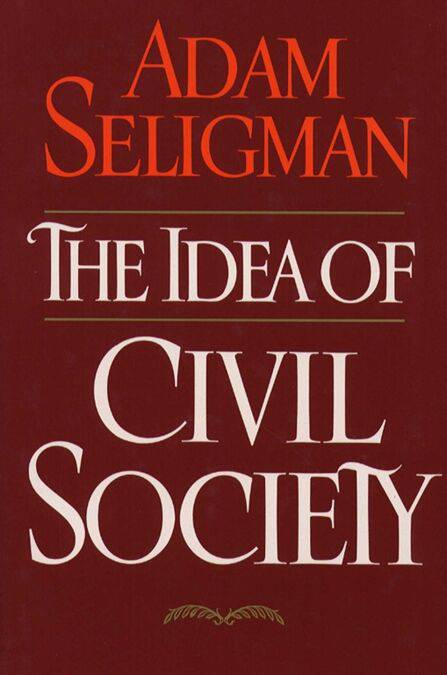
As the countries of East-Central Europe struggle to create liberal democracy and the United States and other Western nations attempt to rediscover their own tarnished civil institutions, Adam Seligman identifies the neglect of the idea of "civil society" as a central concern common to both cultures today. Two centuries after its origins in the Enlightenment, the idea of civil society is being revived to provide an answer to the question of how individuals can pursue their own interests while preserving the greater good of society and, similarly, how society can advance the interests of the individuals who comprise it. However, as Seligman shows, the erosion of the very moral beliefs and philosophical assumptions upon which the idea of civil society was founded makes its revival much more difficult than is generally recognized.
Specificaties
Betrokkenen
- Auteur(s):
- Uitgeverij:
Inhoud
- Aantal bladzijden:
- 241
- Taal:
- Engels
Eigenschappen
- Productcode (EAN):
- 9781439106112
- Verschijningsdatum:
- 27/09/1992
- Uitvoering:
- E-book
- Beveiligd met:
- Adobe DRM
- Formaat:
- ePub


Alleen bij Standaard Boekhandel
+ 22 punten op je klantenkaart van Standaard Boekhandel
Cadeau

AANGERADEN


Beoordelingen
We publiceren alleen reviews die voldoen aan de voorwaarden voor reviews. Bekijk onze voorwaarden voor reviews.