


- Afhalen na 1 uur in een winkel met voorraad
- Gratis thuislevering in België vanaf € 30
- Ruim aanbod met 7 miljoen producten
- Afhalen na 1 uur in een winkel met voorraad
- Gratis thuislevering in België vanaf € 30
- Ruim aanbod met 7 miljoen producten




€ 121,90
+ 243 punten
Omschrijving
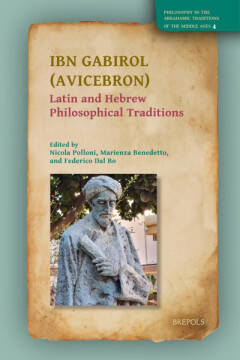
One of the most important thinkers of the Middle Ages, the Jewish philosopher Solomon Ibn Gabirol (known in the Latin Middle Ages as 'Avicebron') greatly contributed to the history of metaphysics. His most famous work, the Fons vitae, was the source of sophisticated, radical doctrines (like universal hylomorphism and the plurality of substantial forms) that were rigorously debated in the Latin world for centuries. Breaking a long period of scholarly neglect of his thought, this volume scrutinises Ibn Gabirol's philosophical contributions by disentangling his original theories from the misconceptions originated by his medieval readers and critics, like Thomas Aquinas and Albert the Great. The first part of the volume expands on the Latin translation of Ibn Gabirol's philosophical work, the Fons vitae, from which many of these misconceptions seems to have originated. The second part focuses on the sources used by Ibn Gabirol and reconstructs the philosophical framework of his reflections. The final two parts of the volume are dedicated to the influence on Ibn Gabirol's thought on the Latin and Hebrew traditions, respectively. Authored by some of the most renowned worldwide experts on Hebrew and Latin philosophy, the cutting-edge contributions included in the volume give a lively picture of a complex yet fascinating medieval philosopher and his unique interpretation of the universe.
Specificaties
Betrokkenen
- Auteur(s):
- Uitgeverij:
Inhoud
- Aantal bladzijden:
- 412
- Taal:
- Engels
- Reeks:
- Reeksnummer:
- nr. 4
Eigenschappen
- Productcode (EAN):
- 9782503605524
- Verschijningsdatum:
- 27/10/2023
- Uitvoering:
- Hardcover
- Formaat:
- Genaaid
- Gewicht:
- 362 g


Alleen bij Standaard Boekhandel
+ 243 punten op je klantenkaart van Standaard Boekhandel
AANGERADEN


Beoordelingen
We publiceren alleen reviews die voldoen aan de voorwaarden voor reviews. Bekijk onze voorwaarden voor reviews.