


- Afhalen na 1 uur in een winkel met voorraad
- Gratis thuislevering in België vanaf € 30
- Ruim aanbod met 7 miljoen producten
- Afhalen na 1 uur in een winkel met voorraad
- Gratis thuislevering in België vanaf € 30
- Ruim aanbod met 7 miljoen producten





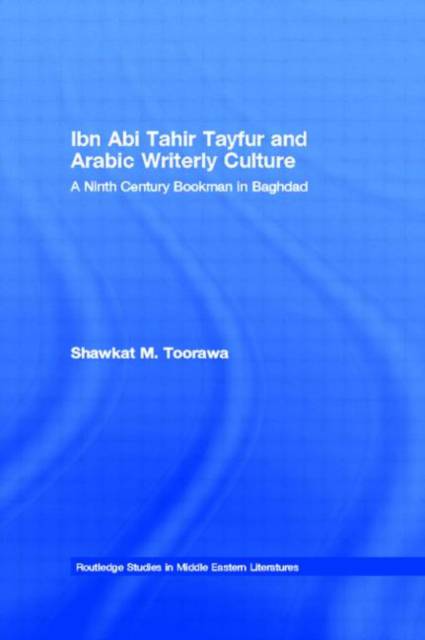
Ibn Abi Tahir Tayfur and Arabic Writerly Culture
A Ninth Century Bookman in Baghdad
Shawkat M Toorawa
€ 119,45
+ 238 punten
Uitvoering
Omschrijving
This book re-evaluates the literary history and landscape of third/ninth century Baghdad by demonstrating and emphasising the significance of the important transition from a predominantly oral-aural culture to an increasingly literate and writerly one.
Specificaties
Betrokkenen
- Auteur(s):
- Uitgeverij:
Inhoud
- Aantal bladzijden:
- 228
- Taal:
- Engels
- Reeks:
Eigenschappen
- Productcode (EAN):
- 9780415595896
- Verschijningsdatum:
- 1/09/2010
- Uitvoering:
- Paperback
- Formaat:
- Trade paperback (VS)
- Afmetingen:
- 156 mm x 234 mm
- Gewicht:
- 331 g


Alleen bij Standaard Boekhandel
+ 238 punten op je klantenkaart van Standaard Boekhandel
Cadeau

AANGERADEN


Beoordelingen
We publiceren alleen reviews die voldoen aan de voorwaarden voor reviews. Bekijk onze voorwaarden voor reviews.