


- Afhalen na 1 uur in een winkel met voorraad
- Gratis thuislevering in België vanaf € 30
- Ruim aanbod met 7 miljoen producten
- Afhalen na 1 uur in een winkel met voorraad
- Gratis thuislevering in België vanaf € 30
- Ruim aanbod met 7 miljoen producten





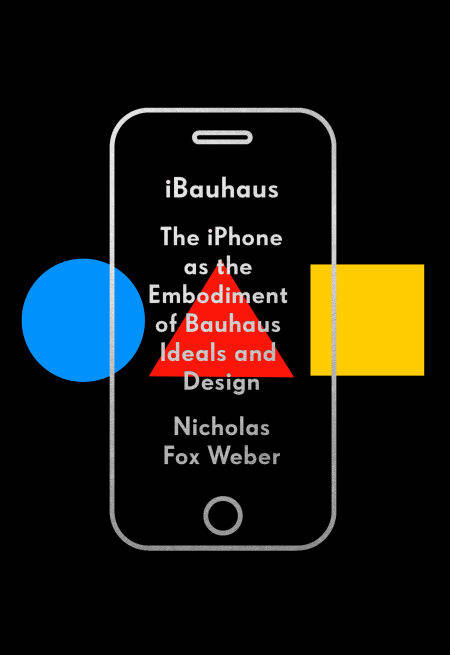
iBauhaus E-BOOK
The iPhone as the Embodiment of Bauhaus Ideals and Design
Nicholas Fox Weber
E-book | Engels
€ 18,50
+ 18 punten
Uitvoering
Omschrijving
A rich, wide-ranging meditation on the iPhone as direct descendant of the 1930s Bauhaus, one of the twentieth century's most influential schools of art and design (summed up in Mies van der Rohe's dictum, "less is more") whose principle aim was to connect art and industry. From one of the leading authorities on the Bauhaus and modernism.
Nicholas Fox Weber, in this deft, entertaining, and brilliant rumination on art and technology, writes of the iPhone as the essence of the Bauhaus principles of form following function--of honesty of design and materials that reflect the true nature of objects and buildings, favoring linear and geometrical forms; adhering to line, shape, and colors; synthesizing art to modern times; the fusion in design of art and technology.
Weber, an authority and celebrant of twentieth-century modernism, ranging from the paintings of Balthus to the architecture of Le Corbusier, was a close associate of Anni and Josef Albers, the last living giants of the Bauhaus, and absorbed firsthand its truest beliefs. The Alberses emphasized their passion for "good design over bad art." Anni, a groundbreaking textile artist and printmaker, and Josef, a painter and color theorist and influential art teacher, stuck to "what was taught at the Bauhaus: the right use of materials, good technique, a purpose that serves all." Weber writes that the Bauhaus was not a style but an attitude: clear design and visual acuity as the embodiment of morality and honesty. And in iBauhaus, Weber explores how the iPhone, with its effective design and its versatility, honors these deepest beliefs, as well as the values that the Bauhaus sought to give to the world.
Nicholas Fox Weber, in this deft, entertaining, and brilliant rumination on art and technology, writes of the iPhone as the essence of the Bauhaus principles of form following function--of honesty of design and materials that reflect the true nature of objects and buildings, favoring linear and geometrical forms; adhering to line, shape, and colors; synthesizing art to modern times; the fusion in design of art and technology.
Weber, an authority and celebrant of twentieth-century modernism, ranging from the paintings of Balthus to the architecture of Le Corbusier, was a close associate of Anni and Josef Albers, the last living giants of the Bauhaus, and absorbed firsthand its truest beliefs. The Alberses emphasized their passion for "good design over bad art." Anni, a groundbreaking textile artist and printmaker, and Josef, a painter and color theorist and influential art teacher, stuck to "what was taught at the Bauhaus: the right use of materials, good technique, a purpose that serves all." Weber writes that the Bauhaus was not a style but an attitude: clear design and visual acuity as the embodiment of morality and honesty. And in iBauhaus, Weber explores how the iPhone, with its effective design and its versatility, honors these deepest beliefs, as well as the values that the Bauhaus sought to give to the world.
Specificaties
Betrokkenen
- Auteur(s):
- Uitgeverij:
Inhoud
- Aantal bladzijden:
- 272
- Taal:
- Engels
Eigenschappen
- Productcode (EAN):
- 9780525657293
- Verschijningsdatum:
- 24/02/2020
- Uitvoering:
- E-book
- Beveiligd met:
- Adobe DRM
- Formaat:
- ePub


Alleen bij Standaard Boekhandel
+ 18 punten op je klantenkaart van Standaard Boekhandel
Cadeau

AANGERADEN


Beoordelingen
We publiceren alleen reviews die voldoen aan de voorwaarden voor reviews. Bekijk onze voorwaarden voor reviews.