


- Afhalen na 1 uur in een winkel met voorraad
- Gratis thuislevering in België vanaf € 30
- Ruim aanbod met 7 miljoen producten
- Afhalen na 1 uur in een winkel met voorraad
- Gratis thuislevering in België vanaf € 30
- Ruim aanbod met 7 miljoen producten





€ 47,45
+ 94 punten
Omschrijving
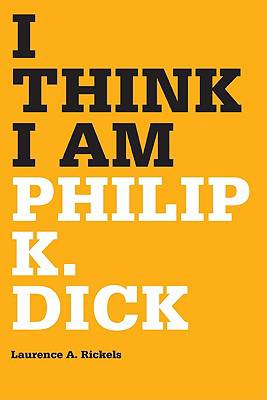
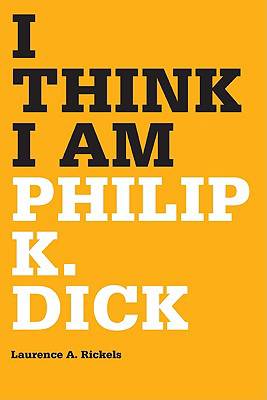
For years, noted writer Laurence A. Rickels often found himself compared to novelist Philip K. Dick-though in fact Rickels had never read any of the science fiction writer's work. When he finally read his first Philip K. Dick novel, while researching for his recent book The Devil Notebooks, it prompted a prolonged immersion in Dick's writing as well as a recognition of Rickels's own long-documented intellectual pursuits. The result of this engagement is I Think I Am: Philip K. Dick, a profound thought experiment that charts the wide relevance of the pulp sci-fi author and paranoid visionary. I Think I Am: Philip K. Dick explores the science fiction author's meditations on psychic reality and psychosis, Christian mysticism, Eastern religion, and modern spiritualism. Covering all of Dick's science fiction, Rickels corrects the lack of scholarly interest in the legendary Californian author and, ultimately, makes a compelling case for the philosophical and psychoanalytic significance of Philip K. Dick's popular and influential science fiction.
Specificaties
Betrokkenen
- Auteur(s):
- Uitgeverij:
Inhoud
- Aantal bladzijden:
- 432
- Taal:
- Engels
Eigenschappen
- Productcode (EAN):
- 9780816666669
- Verschijningsdatum:
- 25/06/2010
- Uitvoering:
- Paperback
- Formaat:
- Trade paperback (VS)
- Afmetingen:
- 150 mm x 226 mm
- Gewicht:
- 639 g


Alleen bij Standaard Boekhandel
+ 94 punten op je klantenkaart van Standaard Boekhandel
CADEAU

AANGERADEN


Beoordelingen
We publiceren alleen reviews die voldoen aan de voorwaarden voor reviews. Bekijk onze voorwaarden voor reviews.