


- Afhalen na 1 uur in een winkel met voorraad
- Gratis thuislevering in België vanaf € 30
- Ruim aanbod met 7 miljoen producten
- Afhalen na 1 uur in een winkel met voorraad
- Gratis thuislevering in België vanaf € 30
- Ruim aanbod met 7 miljoen producten





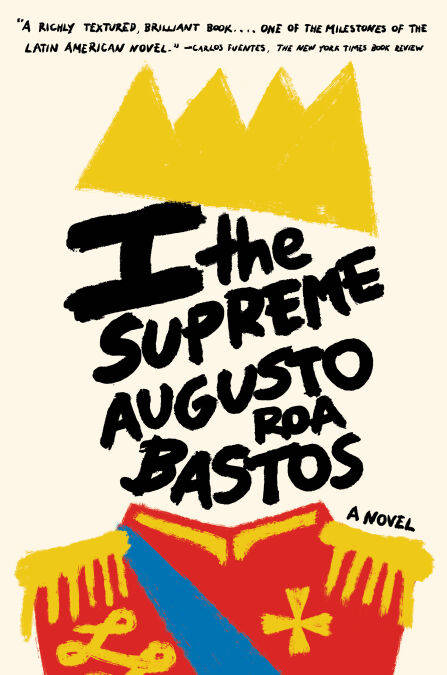
Omschrijving
I the Supreme imagines a dialogue between the nineteenth-century Paraguayan dictator known as Dr. Francia and Policarpo Patiño, his secretary and only companion. The opening pages present a sign that they had found nailed to the wall of a cathedral, purportedly written by Dr. Francia himself and ordering the execution of all of his servants upon his death. This sign is quickly revealed to be a forgery, which takes leader and secretary into a larger discussion about the nature of truth: “In the light of what Your Eminence says, even the truth appears to be a lie.”
Their conversation broadens into an epic journey of the mind, stretching across the colonial history of their nation, filled with surrealist imagery, labyrinthine turns, and footnotes supplied by a mysterious “compiler.” A towering achievement from a foundational author of modern Latin American literature, I the Supreme is a darkly comic, deeply moving meditation on power and its abuse—and on the role of language in making and unmaking whole worlds.
Their conversation broadens into an epic journey of the mind, stretching across the colonial history of their nation, filled with surrealist imagery, labyrinthine turns, and footnotes supplied by a mysterious “compiler.” A towering achievement from a foundational author of modern Latin American literature, I the Supreme is a darkly comic, deeply moving meditation on power and its abuse—and on the role of language in making and unmaking whole worlds.
Specificaties
Betrokkenen
- Auteur(s):
- Uitgeverij:
Inhoud
- Aantal bladzijden:
- 448
- Taal:
- Engels
Eigenschappen
- Productcode (EAN):
- 9781984898142
- Verschijningsdatum:
- 25/02/2019
- Uitvoering:
- E-book
- Beveiligd met:
- Adobe DRM
- Formaat:
- ePub


Alleen bij Standaard Boekhandel
+ 5 punten op je klantenkaart van Standaard Boekhandel
Cadeau

AANGERADEN


Beoordelingen
We publiceren alleen reviews die voldoen aan de voorwaarden voor reviews. Bekijk onze voorwaarden voor reviews.