



Bedankt voor het vertrouwen het afgelopen jaar! Om jou te bedanken bieden we GRATIS verzending (in België) aan op alles gedurende de hele maand januari.
- Afhalen na 1 uur in een winkel met voorraad
- In januari gratis thuislevering in België
- Ruim aanbod met 7 miljoen producten
Bedankt voor het vertrouwen het afgelopen jaar! Om jou te bedanken bieden we GRATIS verzending (in België) aan op alles gedurende de hele maand januari.
- Afhalen na 1 uur in een winkel met voorraad
- In januari gratis thuislevering in België
- Ruim aanbod met 7 miljoen producten





Omschrijving
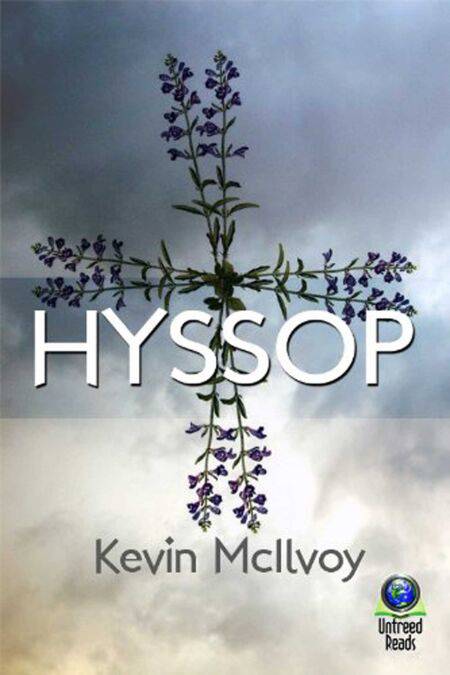
[hyssop (his′ ep) n. 1. A fragrant, blue-flowered plant (Hyssopus officianalus) of the mint family, used in folk medicine as a tonic, stimulant, etc. 2. A plant used in purifactory sprinkling rites by the ancient Hebrews] *** Red Greet, the narrator of Hyssop, is in jail again, as he has been often in his eighty-seven years. As he gives his jailer a dance lesson, Red begins to share with him his life story. Struggling to learn the simple steps, the jailer listens to Red’s outrageous, incredible, yet utterly convincing accounts of the miracles he has witnessed and sometimes participated in directly. Red’s stories center around several constants: his impoverished life as a guilelessly honest thief and grifter in Las Almas, New Mexico; his love for Recita Holguin; and, the miracle story dearest to him, his seventy-two-year friendship with Bishop Francisco Velasco. Frank and Red met in 1924 as Red’s mother, a healer, worked her folk magic to help Frank’s family survive violence and devastating turmoil. The boys immediately formed a deep and abiding bond. Frank, who becomes a Catholic priest and eventually a bishop, remains Red’s lifelong confessor because he is the keeper of Red’s secrets, and Red the keeper of his. The men are not only friends, but unlikely accomplices: they argue over Frank’s car, a Monte Carlo with cathedral windows airbrushed on the hood; they promenade, naked, through the middle of the Hatch Chile Festival; they work to restore a statue of the beloved Virgen de Guadalupe, which “miraculously” begins to perspire blood—blood that bears a suspicious likeness to red paint. Through it all, Red confesses his many sins to Frank, always returning to the mysteries of a sin he feels he cannot be absolved of: his courtship of Recita during his wife Cecila’s long illness. In telling how he has loved and been loved, in confessing how he has sinned and inspired others to sin, Red Greet seeks hyssop, the substance that might wash his soul clean. Hyssop is a stunning novel full of magic; it is an inquiry into the nature of religious faith and belief and into the power of moral dilemmas embedded in loving friendships and in spiritually rich but materially impoverished lives. Reading Hyssop, you will believe again in miracles of healing and in the haunting power of memories of the past.
Specificaties
Betrokkenen
- Auteur(s):
- Uitgeverij:
Inhoud
- Aantal bladzijden:
- 196
- Taal:
- Engels
Eigenschappen
- Productcode (EAN):
- 9781611873740
- Verschijningsdatum:
- 10/07/2012
- Uitvoering:
- E-book
- Beveiligd met:
- Adobe DRM
- Formaat:
- ePub



Alleen bij Standaard Boekhandel
+ 11 punten op je klantenkaart van Standaard Boekhandel
SOLDEN


Beoordelingen
We publiceren alleen reviews die voldoen aan de voorwaarden voor reviews. Bekijk onze voorwaarden voor reviews.