


- Afhalen na 1 uur in een winkel met voorraad
- Gratis thuislevering in België vanaf € 30
- Ruim aanbod met 7 miljoen producten
- Afhalen na 1 uur in een winkel met voorraad
- Gratis thuislevering in België vanaf € 30
- Ruim aanbod met 7 miljoen producten





€ 34,05
+ 68 punten
Omschrijving
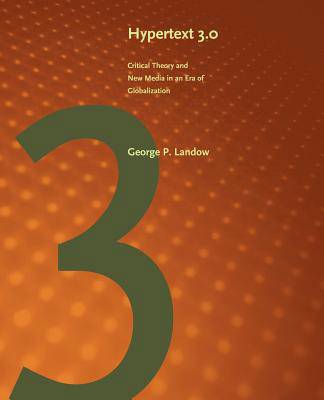
George Landow's widely acclaimed Hypertext was the first book to bring together the worlds of literary theory and computer technology. Landow was one of the first scholars to explore the implications of giving readers instant, easy access to a virtual library of sources as well as unprecedented control of what and how they read. In hypermedia, Landow saw a strikingly literal embodiment of many major points of contemporary literary theory, particularly Derrida's idea of "de-centering" and Barthes's conception of the "readerly" versus "writerly" text. From Intermedia to Microcosm, Storyspace, and the World Wide Web, Landow offers specific information about the kinds of hypertext, different modes of linking, attitudes toward technology, and the proliferation of pornography and gambling on the Internet. For the third edition he includes new material on developing Internet-related technologies, considering in particular their increasingly global reach and the social and political implications of this trend as viewed from a postcolonial perspective. He also discusses blogs, interactive film, and the relation of hypermedia to games. Thoroughly expanded and updated, this pioneering work continues to be the "ur-text" of hypertext studies.
Specificaties
Betrokkenen
- Auteur(s):
- Uitgeverij:
Inhoud
- Aantal bladzijden:
- 456
- Taal:
- Engels
- Reeks:
Eigenschappen
- Productcode (EAN):
- 9780801882579
- Verschijningsdatum:
- 1/12/2005
- Uitvoering:
- Paperback
- Formaat:
- Trade paperback (VS)
- Afmetingen:
- 188 mm x 229 mm
- Gewicht:
- 898 g



Alleen bij Standaard Boekhandel
+ 68 punten op je klantenkaart van Standaard Boekhandel
Cadeau

AANGERADEN


Beoordelingen
We publiceren alleen reviews die voldoen aan de voorwaarden voor reviews. Bekijk onze voorwaarden voor reviews.