


- Afhalen na 1 uur in een winkel met voorraad
- Gratis thuislevering in België vanaf € 30
- Ruim aanbod met 7 miljoen producten
- Afhalen na 1 uur in een winkel met voorraad
- Gratis thuislevering in België vanaf € 30
- Ruim aanbod met 7 miljoen producten





€ 19,99
+ 19 punten
Omschrijving
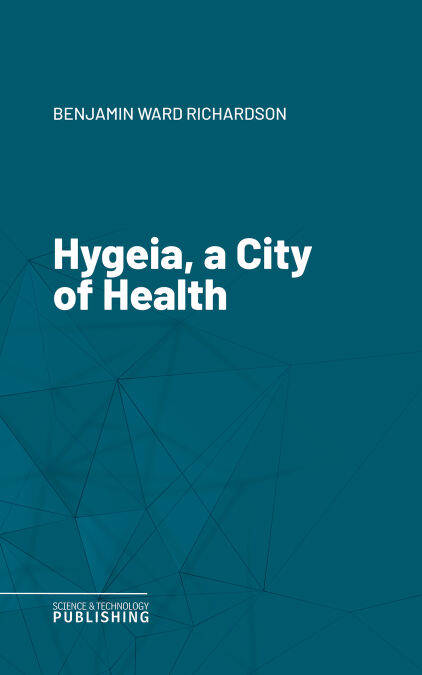
Hygeia, a City of Health by Benjamin Ward Richardson is a visionary work first published in 1876, presenting a detailed and imaginative exploration of an ideal city designed entirely around the principles of public health and well-being. In this pioneering text, Richardson, a renowned British physician and social reformer, constructs a fictional city named Hygeia, where every aspect of urban life—from architecture and sanitation to education and recreation—is meticulously planned to promote the physical, mental, and social health of its inhabitants. The book unfolds as a guided tour through Hygeia, offering readers a vivid and comprehensive look at its innovative infrastructure. Richardson describes wide, tree-lined streets free from dust and pollution, houses built with materials that ensure cleanliness and ventilation, and a sophisticated system of waste disposal and water supply that eliminates the dangers of disease. Hospitals, schools, and public spaces are thoughtfully integrated into the city’s layout, reflecting a holistic approach to health that encompasses prevention, treatment, and education. Richardson’s narrative delves into the daily lives of Hygeia’s citizens, illustrating how their routines, diets, and leisure activities are shaped by the city’s health-centric design. He emphasizes the importance of exercise, fresh air, and nutritious food, and envisions a society where medical care is accessible to all and public health is a shared responsibility. The book also addresses broader social issues, advocating for temperance, the reduction of poverty, and the promotion of scientific knowledge. Hygeia, a City of Health stands as a remarkable blend of science, social commentary, and utopian fiction. It anticipates many modern concepts in urban planning and public health, making it a significant and influential work in the history of social reform. Through its detailed and optimistic portrayal of a healthier future, Richardson’s book continues to inspire readers to imagine and strive for cities that nurture the well-being of all their residents.
Specificaties
Betrokkenen
- Auteur(s):
- Uitgeverij:
Inhoud
- Taal:
- Engels
Eigenschappen
- Productcode (EAN):
- 9782528101384
- Verschijningsdatum:
- 31/08/2025
- Uitvoering:
- E-book
- Formaat:
- ePub


Alleen bij Standaard Boekhandel
+ 19 punten op je klantenkaart van Standaard Boekhandel
Cadeau

AANGERADEN


Beoordelingen
We publiceren alleen reviews die voldoen aan de voorwaarden voor reviews. Bekijk onze voorwaarden voor reviews.