


- Afhalen na 1 uur in een winkel met voorraad
- Gratis thuislevering in België vanaf € 30
- Ruim aanbod met 7 miljoen producten
- Afhalen na 1 uur in een winkel met voorraad
- Gratis thuislevering in België vanaf € 30
- Ruim aanbod met 7 miljoen producten





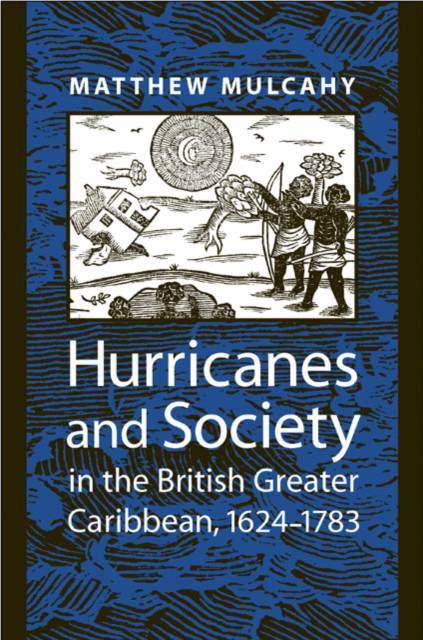
Hurricanes and Society in the British Greater Caribbean, 1624-1783
Matthew Mulcahy
€ 51,45
+ 102 punten
Omschrijving
Hurricanes created unique challenges for the colonists in the British Greater Caribbean during the seventeenth and eighteenth centuries. These storms were entirely new to European settlers and quickly became the most feared part of their physical environment, destroying staple crops and provisions, leveling plantations and towns, disrupting shipping and trade, and resulting in major economic losses for planters and widespread privation for slaves. In this study, Matthew Mulcahy examines how colonists made sense of hurricanes, how they recovered from them, and the role of the storms in shaping the development of the region's colonial settlements. Hurricanes and Society in the British Greater Caribbean, 1624-1783 provides a useful new perspective on several topics including colonial science, the plantation economy, slavery, and public and private charity. By integrating the West Indies into the larger story of British Atlantic colonization, Mulcahy's work contributes to early American history, Atlantic history, environmental history, and the growing field of disaster studies.
Specificaties
Betrokkenen
- Auteur(s):
- Uitgeverij:
Inhoud
- Aantal bladzijden:
- 272
- Taal:
- Engels
- Reeks:
Eigenschappen
- Productcode (EAN):
- 9780801890796
- Verschijningsdatum:
- 8/07/2008
- Uitvoering:
- Paperback
- Formaat:
- Trade paperback (VS)
- Afmetingen:
- 152 mm x 229 mm
- Gewicht:
- 403 g


Alleen bij Standaard Boekhandel
+ 102 punten op je klantenkaart van Standaard Boekhandel
Cadeau

AANGERADEN


Beoordelingen
We publiceren alleen reviews die voldoen aan de voorwaarden voor reviews. Bekijk onze voorwaarden voor reviews.