


- Afhalen na 1 uur in een winkel met voorraad
- Gratis thuislevering in België vanaf € 30
- Ruim aanbod met 7 miljoen producten
- Afhalen na 1 uur in een winkel met voorraad
- Gratis thuislevering in België vanaf € 30
- Ruim aanbod met 7 miljoen producten





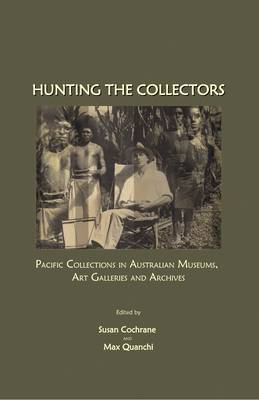
Hunting the Collectors
Pacific Collections in Australian Museums, Art Galleries and Archives
€ 48,95
+ 97 punten
Omschrijving
This volume investigates Pacific collections held in Australian museums, art galleries and archives, and the diverse group of 19th and 20th century collectors responsible for their acquisition. The nineteen essays reveal varied personal and institutional motivations that eventually led to the conservation, preservation and exhibition in Australia of a remarkable archive of Pacific Island material objects, art and crafts, photographs and documents. Hunting the Collectors benchmarks the importance of Pacific Collections in Australia and is a timely contribution to the worldwide renaissance of interest in Oceanic arts and cultures. The essays suggest that the custodial role is not fixed and immutable but fluctuates with the perceived importance of the collection, which in turn fluctuates with the level of national interest in the Pacific neighbourhood. This cyclical rise and fall of Australian interest in the Pacific Islands means many of the valuable early collections in state and later national repositories and institutions have been rarely exhibited or published. But, as the authors note, enthusiastic museum anthropologists, curators, collection managers and university-based scholars across Australia, and worldwide, have persisted with research on material collected in the Pacific. This volume is a very important one for anyone studying the art and material culture of the Pacific. It focuses on collections now in Australia. Even those well versed in museum collections from the Pacific will learn about many important but little-known collectors as well as better-known figures like the anthropologists F. E. Williams and Thomas Farrell, the husband of Queen Emma. This will be a treat for students and specialist alike. -Professor Robert L. Welsch, University of Dartmouth
Specificaties
Betrokkenen
- Uitgeverij:
Inhoud
- Aantal bladzijden:
- 354
- Taal:
- Engels
- Reeks:
Eigenschappen
- Productcode (EAN):
- 9781847180841
- Verschijningsdatum:
- 16/11/2007
- Uitvoering:
- Hardcover
- Formaat:
- Ongenaaid / garenloos gebonden
- Afmetingen:
- 164 mm x 219 mm
- Gewicht:
- 707 g

Alleen bij Standaard Boekhandel
+ 97 punten op je klantenkaart van Standaard Boekhandel
Cadeau

AANGERADEN


Beoordelingen
We publiceren alleen reviews die voldoen aan de voorwaarden voor reviews. Bekijk onze voorwaarden voor reviews.