



- Afhalen na 1 uur in een winkel met voorraad
- In januari gratis thuislevering in België
- Ruim aanbod met 7 miljoen producten
- Afhalen na 1 uur in een winkel met voorraad
- In januari gratis thuislevering in België
- Ruim aanbod met 7 miljoen producten





€ 24,45
+ 48 punten
Uitvoering
Omschrijving
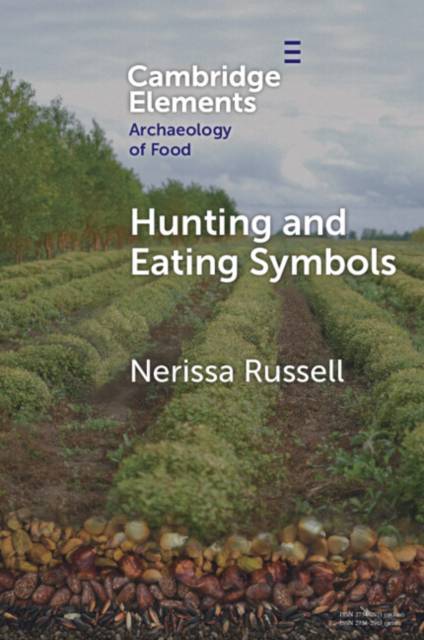
This Element approaches large game hunting through a social and symbolic lens. In most societies, the hunting and consumption of certain iconic species carries deep symbolism and is surrounded by ritualized practices. However, the form of these rituals and symbols varies substantially. The Element explores some recurring themes associated with hunting and eating game, such as gender, prestige, and generosity, and trace how these play out in the context of egalitarian versus hierarchical societies, foragers versus farmers, and in different parts of the world. Once people start herding domestic livestock, hunting takes on a new significance as an engagement with what is now defined as the Wild. Foragers do not make this distinction, but their interactions with prey animals are also heavily symbolic. As societies become more stratified, hunting large animals may be partly or entirely reserved for the elite, and hunting practices are elaborated to display and build power.
Specificaties
Betrokkenen
- Auteur(s):
- Uitgeverij:
Inhoud
- Aantal bladzijden:
- 82
- Taal:
- Engels
- Reeks:
Eigenschappen
- Productcode (EAN):
- 9781009321570
- Verschijningsdatum:
- 2/04/2026
- Uitvoering:
- Paperback
- Formaat:
- Trade paperback (VS)
- Afmetingen:
- 152 mm x 229 mm
- Gewicht:
- 122 g


Alleen bij Standaard Boekhandel
+ 48 punten op je klantenkaart van Standaard Boekhandel
Cadeau

AANGERADEN


Beoordelingen
We publiceren alleen reviews die voldoen aan de voorwaarden voor reviews. Bekijk onze voorwaarden voor reviews.