


- Afhalen na 1 uur in een winkel met voorraad
- Gratis thuislevering in België vanaf € 30
- Ruim aanbod met 7 miljoen producten
- Afhalen na 1 uur in een winkel met voorraad
- Gratis thuislevering in België vanaf € 30
- Ruim aanbod met 7 miljoen producten





€ 76,45
+ 152 punten
Omschrijving
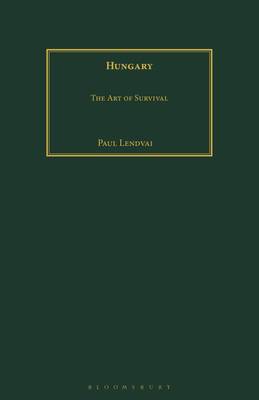
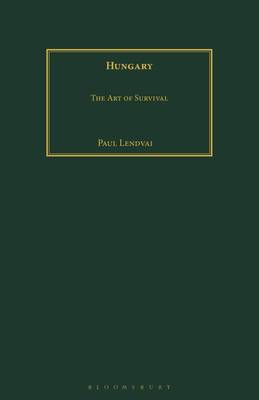
This book, by an author uniquely qualified to describe and comment on the Hungarian situation, is the first to look at Hungary from the post-Kadar perspective.
Hungary was the first Soviet satellite state to be invaded by Soviet troops. Janos Kadar, its Party leader for thirty-two years, took office in 1956 at the head of a government determinedly submissive to Moscow. Hungarians thought he had sold out. Yet over the next quarter century, Kadar quietly extended the limits of Soviet tolerance by gradualist reforms. He did not rock the Moscow boat, Paul Lendvai argues, but within the constraints of loyalty to the Warsaw Pact and to Moscow's supremacy, he proceeded to improve the quality of Hungarian life. Just how this happened is the subject of this book.Specificaties
Betrokkenen
- Auteur(s):
- Uitgeverij:
Inhoud
- Aantal bladzijden:
- 184
- Taal:
- Engels
Eigenschappen
- Productcode (EAN):
- 9781350186699
- Verschijningsdatum:
- 25/02/2021
- Uitvoering:
- Paperback
- Formaat:
- Trade paperback (VS)
- Afmetingen:
- 156 mm x 234 mm
- Gewicht:
- 267 g


Alleen bij Standaard Boekhandel
+ 152 punten op je klantenkaart van Standaard Boekhandel
Cadeau

AANGERADEN


Beoordelingen
We publiceren alleen reviews die voldoen aan de voorwaarden voor reviews. Bekijk onze voorwaarden voor reviews.