



Je cadeautjes zeker op tijd in huis hebben voor de feestdagen? Kom langs in onze winkels en vind het perfecte geschenk!
- Afhalen na 1 uur in een winkel met voorraad
- Gratis thuislevering in België vanaf € 30
- Ruim aanbod met 7 miljoen producten
Je cadeautjes zeker op tijd in huis hebben voor de feestdagen? Kom langs in onze winkels en vind het perfecte geschenk!
- Afhalen na 1 uur in een winkel met voorraad
- Gratis thuislevering in België vanaf € 30
- Ruim aanbod met 7 miljoen producten




€ 228,95
+ 457 punten
Omschrijving
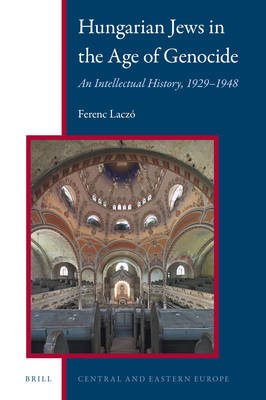
Hungarian Jews, the last major Jewish community in the Nazi sphere of influence by 1944, constituted the single largest group of victims of Auschwitz-Birkenau. In Hungarian Jews in the Age of Genocide Ferenc Laczó draws on hundreds of scholarly articles, historical monographs, witness accounts as well as published memoirs to offer a pioneering exploration of how this prolific Jewish community responded to its exceptional drama and unprecedented tragedy. Analysing identity options, political discourses, historical narratives and cultural agendas during the local age of persecution as well as the varied interpretations of persecution and annihilation in their immediate aftermath, the monograph places the devastating story of Hungarian Jews at the dark heart of the European Jewish experience in the 20th century.
Specificaties
Betrokkenen
- Auteur(s):
- Uitgeverij:
Inhoud
- Aantal bladzijden:
- 252
- Taal:
- Engels
- Reeks:
- Reeksnummer:
- nr. 8
Eigenschappen
- Productcode (EAN):
- 9789004324640
- Verschijningsdatum:
- 15/09/2016
- Uitvoering:
- Hardcover
- Formaat:
- Genaaid
- Afmetingen:
- 155 mm x 236 mm
- Gewicht:
- 476 g


Alleen bij Standaard Boekhandel
+ 457 punten op je klantenkaart van Standaard Boekhandel
CADEAU


Beoordelingen
We publiceren alleen reviews die voldoen aan de voorwaarden voor reviews. Bekijk onze voorwaarden voor reviews.