


- Afhalen na 1 uur in een winkel met voorraad
- Gratis thuislevering in België vanaf € 30
- Ruim aanbod met 7 miljoen producten
- Afhalen na 1 uur in een winkel met voorraad
- Gratis thuislevering in België vanaf € 30
- Ruim aanbod met 7 miljoen producten





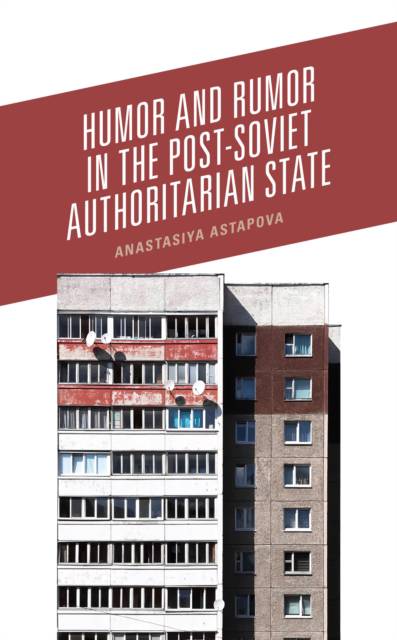
Humor and Rumor in the Post-Soviet Authoritarian State
Anastasiya Astapova
€ 186,95
+ 373 punten
Omschrijving
Drawing on ethnographic fieldwork in Belarus, an example of an authoritarian state, Humor and Rumor in the Post-Soviet Authoritarian State presents over one hundred contemporary political jokes in the contexts of their performance. Throughout, Anastasiya Astapova demonstrates the salience of the joke genre, the multiplicity of humor manifestations, and the fundamental presence of intertextual links between jokes and another folk genre--rumor. Informed by real-life fieldwork in an authoritarian regime, Humor and Rumor in the Post-Soviet Authoritarian State challenges many common theories of political humor, including the interpretation of political jokes as weapons of the weak. It illustrates how jokes and rumors remind communities of their fears, support paranoia, shape conformist behavior, and, consequently, reinforce the existing hegemony. In this rare study on everyday life in and reactions to repressive regimes, Astapova unveils political humor as it is lived.
Specificaties
Betrokkenen
- Auteur(s):
- Uitgeverij:
Inhoud
- Aantal bladzijden:
- 184
- Taal:
- Engels
- Reeks:
- Reeksnummer:
- nr. 2
Eigenschappen
- Productcode (EAN):
- 9781793624291
- Verschijningsdatum:
- 10/02/2021
- Uitvoering:
- Hardcover
- Formaat:
- Genaaid
- Afmetingen:
- 152 mm x 229 mm
- Gewicht:
- 439 g


Alleen bij Standaard Boekhandel
+ 373 punten op je klantenkaart van Standaard Boekhandel
Cadeau

AANGERADEN


Beoordelingen
We publiceren alleen reviews die voldoen aan de voorwaarden voor reviews. Bekijk onze voorwaarden voor reviews.