



Bedankt voor het vertrouwen het afgelopen jaar! Om jou te bedanken bieden we GRATIS verzending (in België) aan op alles gedurende de hele maand januari.
- Afhalen na 1 uur in een winkel met voorraad
- In januari gratis thuislevering in België
- Ruim aanbod met 7 miljoen producten
Bedankt voor het vertrouwen het afgelopen jaar! Om jou te bedanken bieden we GRATIS verzending (in België) aan op alles gedurende de hele maand januari.
- Afhalen na 1 uur in een winkel met voorraad
- In januari gratis thuislevering in België
- Ruim aanbod met 7 miljoen producten





€ 187,45
+ 374 punten
Omschrijving
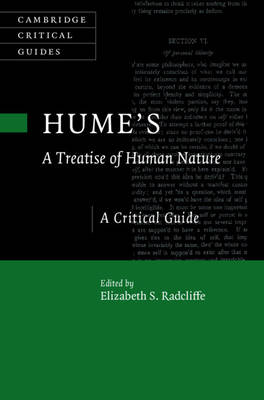
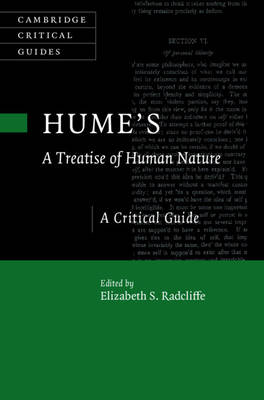
David Hume's A Treatise of Human Nature, published anonymously in 1739-40, was his first major work of philosophy, and his only systematic, scientific analysis of human nature. It is now regarded as a classic text in the history of Western thought and a key text in philosophical empiricism, scepticism, and naturalism. This Critical Guide offers fourteen new essays on the work by established and emerging Hume scholars, ranging over Hume's epistemology and philosophy of mind, the passions and ethics, and the early reception of the Treatise. Topics include the significance of Hume's treatment of the passion of curiosity, the critical responses to Hume's account of how we acquire belief in external objects, and Hume's depiction of the human tendency to view the world in inegalitarian ways and its impact on our view of virtue. The volume will be valuable for scholars and students of Hume studies and in eighteenth-century philosophy more generally.
Specificaties
Betrokkenen
- Uitgeverij:
Inhoud
- Aantal bladzijden:
- 308
- Taal:
- Engels
- Reeks:
Eigenschappen
- Productcode (EAN):
- 9781009218092
- Verschijningsdatum:
- 8/01/2026
- Uitvoering:
- Hardcover
- Formaat:
- Genaaid
- Afmetingen:
- 152 mm x 229 mm
- Gewicht:
- 580 g

Alleen bij Standaard Boekhandel
+ 374 punten op je klantenkaart van Standaard Boekhandel
SOLDEN


Beoordelingen
We publiceren alleen reviews die voldoen aan de voorwaarden voor reviews. Bekijk onze voorwaarden voor reviews.