


- Afhalen na 1 uur in een winkel met voorraad
- Gratis thuislevering in België vanaf € 30
- Ruim aanbod met 7 miljoen producten
- Afhalen na 1 uur in een winkel met voorraad
- Gratis thuislevering in België vanaf € 30
- Ruim aanbod met 7 miljoen producten





Omschrijving
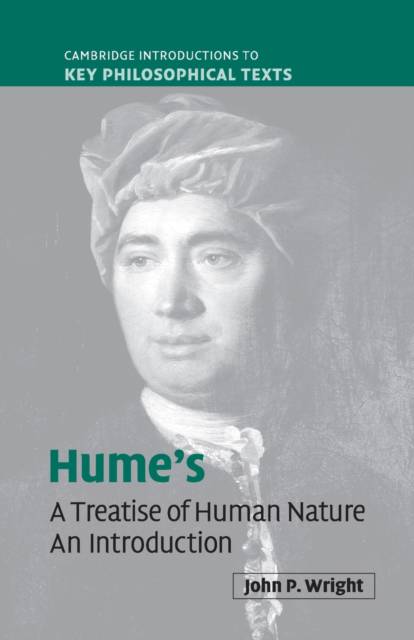
David Hume's A Treatise of Human Nature (1739-40) presents the most important account of skepticism in the history of modern philosophy. In this lucid and thorough introduction to the work, John P. Wright examines the development of Hume's ideas in the Treatise, their relation to eighteenth-century theories of the imagination and passions, and the reception they received when Hume published the Treatise. He explains Hume's arguments concerning the inability of reason to establish the basic beliefs which underlie science and morals, as well as his arguments showing why we are nevertheless psychologically compelled to accept such beliefs. The book will be a valuable guide for those seeking to understand the nature of modern skepticism and its connection with the founding of the human sciences during the Enlightenment.
Specificaties
Betrokkenen
- Auteur(s):
- Uitgeverij:
Inhoud
- Aantal bladzijden:
- 336
- Taal:
- Engels
- Reeks:
Eigenschappen
- Productcode (EAN):
- 9780521541589
- Verschijningsdatum:
- 26/11/2009
- Uitvoering:
- Paperback
- Formaat:
- Trade paperback (VS)
- Afmetingen:
- 138 mm x 219 mm
- Gewicht:
- 458 g


Alleen bij Standaard Boekhandel
+ 170 punten op je klantenkaart van Standaard Boekhandel
Cadeau

AANGERADEN


Beoordelingen
We publiceren alleen reviews die voldoen aan de voorwaarden voor reviews. Bekijk onze voorwaarden voor reviews.