


- Afhalen na 1 uur in een winkel met voorraad
- Gratis thuislevering in België vanaf € 30
- Ruim aanbod met 7 miljoen producten
- Afhalen na 1 uur in een winkel met voorraad
- Gratis thuislevering in België vanaf € 30
- Ruim aanbod met 7 miljoen producten





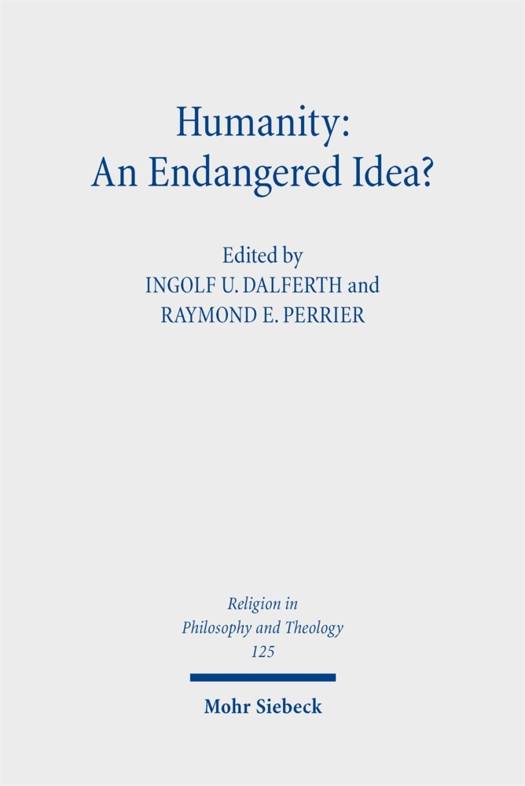
Humanity
An Endangered Idea?: Claremont Studies in the Philosophy of Religion, Conference 2019
€ 104,45
+ 208 punten
Omschrijving
The idea of humanity is more controversial today than ever before. Traditionally, answers to the questions about our humanity and 'humanitas' (Cicero) have been sought along five routes: by contrasting the human with the non-human (other animals), with the more than human (the divine), with the inhuman (negative human behaviors), with the superhuman (what humans will become), or with the transhuman (thinking machines). In each case the question at stake and the point of comparison is a different one, and in all those respects the idea of humanity has been defined differently. What makes humans human? What does it mean for humans to live a human life? What is the humanitas for which we ought to strive? This volume discusses key philosophical and theological issues in the current debate, with a particular focus on transhumanism, artificial intelligence, and the ethical challenges facing humanity in our technological culture.
Specificaties
Betrokkenen
- Uitgeverij:
Inhoud
- Aantal bladzijden:
- 396
- Taal:
- Engels
- Reeks:
- Reeksnummer:
- nr. 125
Eigenschappen
- Productcode (EAN):
- 9783161617157
- Verschijningsdatum:
- 1/03/2023
- Uitvoering:
- Paperback
- Formaat:
- Trade paperback (VS)
- Afmetingen:
- 231 mm x 154 mm
- Gewicht:
- 3755 g

Alleen bij Standaard Boekhandel
+ 208 punten op je klantenkaart van Standaard Boekhandel
Cadeau

AANGERADEN


Beoordelingen
We publiceren alleen reviews die voldoen aan de voorwaarden voor reviews. Bekijk onze voorwaarden voor reviews.