


- Afhalen na 1 uur in een winkel met voorraad
- Gratis thuislevering in België vanaf € 30
- Ruim aanbod met 7 miljoen producten
- Afhalen na 1 uur in een winkel met voorraad
- Gratis thuislevering in België vanaf € 30
- Ruim aanbod met 7 miljoen producten





€ 172,95
+ 345 punten
Uitvoering
Omschrijving
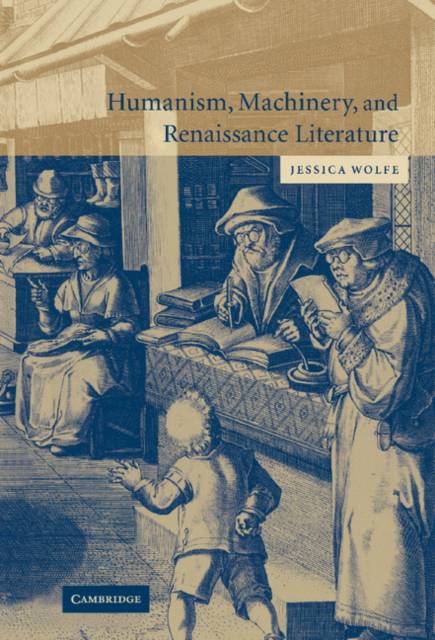
Before the emergence of the modern concept of technology, sixteenth- and early seventeenth-century writers recognized the applicability of mechanical practices and objects to some of their most urgent moral, aesthetic, and political questions. This book explores how machinery and the practice of mechanics participated in the intellectual culture of Renaissance humanism. Harnessing the discipline of mechanics to their literary and philosophical concerns, writers (including Francis Bacon and Edmund Spenser) turned to machinery to consider instrumental means in a diverse range that spans rhetoric and pedagogy to diplomacy and courtly dissimulation.
Specificaties
Betrokkenen
- Auteur(s):
- Uitgeverij:
Inhoud
- Aantal bladzijden:
- 318
- Taal:
- Engels
Eigenschappen
- Productcode (EAN):
- 9780521831871
- Verschijningsdatum:
- 03/05/2004
- Uitvoering:
- Hardcover
- Formaat:
- Genaaid
- Afmetingen:
- 164 mm x 235 mm
- Gewicht:
- 644 g


Alleen bij Standaard Boekhandel
+ 345 punten op je klantenkaart van Standaard Boekhandel

Beoordelingen
We publiceren alleen reviews die voldoen aan de voorwaarden voor reviews. Bekijk onze voorwaarden voor reviews.