


- Afhalen na 1 uur in een winkel met voorraad
- Gratis thuislevering in België vanaf € 30
- Ruim aanbod met 7 miljoen producten
- Afhalen na 1 uur in een winkel met voorraad
- Gratis thuislevering in België vanaf € 30
- Ruim aanbod met 7 miljoen producten





€ 86,45
+ 172 punten
Omschrijving
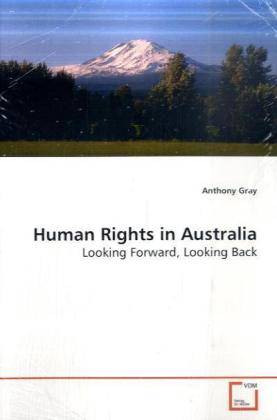
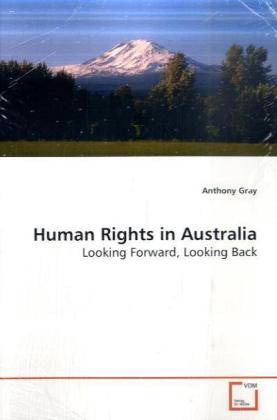
The current rights debate in Australia is a long-standing one, in the context of one of the few countries without an express bill of rights. This book discussses historical aspects of rights protection, including Diceyan concepts of parliamentary supremacy and the rule of law, before considering historical support for limits to the power of Parliament. The book discusses theoretical justifications for the power of judges to declare laws inconsistent with human rights to be invalid, including social contract theory and modern versions of democracy. In this context, comtemporary human rights issues are then considered. These include the recent laws allowing groups to be outlawed based on a politician's declaration, laws that limit the right of an accused person to jury trial, both at the national and regional level, laws that restrict voting rights, laws that restrict the ability of a person to work in different regions within Australia, and laws that allow a person to be detained based on an assessment of their future risk to society. Deficiencies in rights protection in Australia are identified and possible solutions suggested.
Specificaties
Betrokkenen
- Auteur(s):
- Uitgeverij:
Inhoud
- Aantal bladzijden:
- 140
- Taal:
- Engels
Eigenschappen
- Productcode (EAN):
- 9783639159608
- Verschijningsdatum:
- 21/05/2009
- Uitvoering:
- Paperback
- Formaat:
- Trade paperback (VS)
- Afmetingen:
- 152 mm x 229 mm
- Gewicht:
- 213 g


Alleen bij Standaard Boekhandel
+ 172 punten op je klantenkaart van Standaard Boekhandel
Cadeau

AANGERADEN


Beoordelingen
We publiceren alleen reviews die voldoen aan de voorwaarden voor reviews. Bekijk onze voorwaarden voor reviews.