


- Afhalen na 1 uur in een winkel met voorraad
- Gratis thuislevering in België vanaf € 30
- Ruim aanbod met 7 miljoen producten
- Afhalen na 1 uur in een winkel met voorraad
- Gratis thuislevering in België vanaf € 30
- Ruim aanbod met 7 miljoen producten





Omschrijving
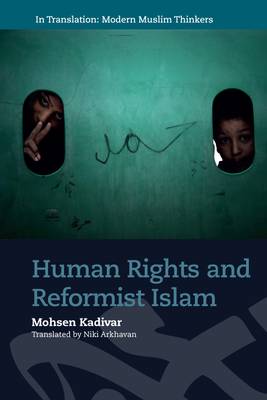
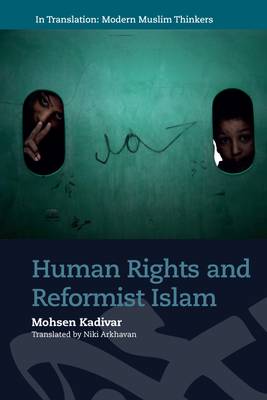
Human Rights and Reformist Islam' critiques traditional Islamic approaches to the question of compatibility between human rights and Islam, and argues instead for their reconciliation from the perspective of a reformist Islam. The book focuses on six controversial case studies: religious discrimination; gender discrimination; slavery; freedom of religion; punishment of apostasy; and arbitrary or harsh punishments. Explaining the strengths of structural ijtihad, Mohsen Kadivar's draws on the rational classification of Islamic teachings as temporal or permanent on the one hand, and four criteria of being Islamic on the other: reasonableness, justice, morality and efficiency. He rejects all of the problematic verses and Hadith according to these criteria. The result is a powerful, solutions-based argument based on reformist Islam - providing a scholarly bridge between modernity and Islamic tradition in relation to human rights.
Specificaties
Betrokkenen
- Auteur(s):
- Vertaler(s):
- Uitgeverij:
Inhoud
- Aantal bladzijden:
- 552
- Taal:
- Engels
- Reeks:
Eigenschappen
- Productcode (EAN):
- 9781474449304
- Verschijningsdatum:
- 13/04/2021
- Uitvoering:
- Hardcover
- Formaat:
- Genaaid
- Afmetingen:
- 140 mm x 216 mm
- Gewicht:
- 780 g


Alleen bij Standaard Boekhandel
+ 402 punten op je klantenkaart van Standaard Boekhandel
Cadeau

AANGERADEN


Beoordelingen
We publiceren alleen reviews die voldoen aan de voorwaarden voor reviews. Bekijk onze voorwaarden voor reviews.