


- Afhalen na 1 uur in een winkel met voorraad
- Gratis thuislevering in België vanaf € 30
- Ruim aanbod met 7 miljoen producten
- Afhalen na 1 uur in een winkel met voorraad
- Gratis thuislevering in België vanaf € 30
- Ruim aanbod met 7 miljoen producten





€ 90,10
+ 180 punten
Omschrijving
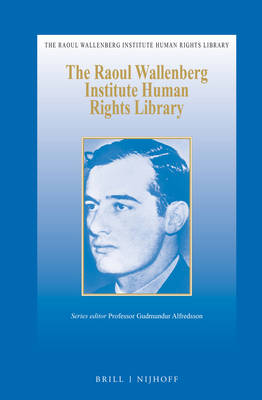
This volume, the result of an ongoing Nordic research project undertaken under the auspices of the Danish Centre for Human Rights in Copenhagen and the Raoul Wallenberg Institute for Human Rights and Humanitarian Law in Lund, examines the relationship and possible interaction between good governance and human rights. The contributors consist of academics and professionals with backgrounds in development studies, economics, law, political science, and sociology. Together they demonstrate the need for interdisciplinary dialogue and clarification of concepts, contents, and processes of realisation.
While good governance is mainly pursued in a development context, it is a central message of the book that good governance guidelines ought to have universal applicability, affecting international organisations and public and private actors in Northern as well as Southern countries. Yet an established consensus does not exist on how good governance and human rights can or should complement each other. The book therefore assesses the advantages of using existing links and identifies ways of building new bridges for mutual support between governance and human rights.
The authors examine their topics on the basis of theory, best practices, law, the experiences of societies undergoing democratic transition, and other empirical evidence, without attempting to come up with a common definition of good governance. The plurality of interpretations will hopefully further strengthen good governance and human rights as integral elements of a global agenda.
While good governance is mainly pursued in a development context, it is a central message of the book that good governance guidelines ought to have universal applicability, affecting international organisations and public and private actors in Northern as well as Southern countries. Yet an established consensus does not exist on how good governance and human rights can or should complement each other. The book therefore assesses the advantages of using existing links and identifies ways of building new bridges for mutual support between governance and human rights.
The authors examine their topics on the basis of theory, best practices, law, the experiences of societies undergoing democratic transition, and other empirical evidence, without attempting to come up with a common definition of good governance. The plurality of interpretations will hopefully further strengthen good governance and human rights as integral elements of a global agenda.
Specificaties
Betrokkenen
- Auteur(s):
- Uitgeverij:
Inhoud
- Aantal bladzijden:
- 272
- Taal:
- Engels
- Reeks:
- Reeksnummer:
- nr. 9
Eigenschappen
- Productcode (EAN):
- 9789041117762
- Verschijningsdatum:
- 01/04/2002
- Uitvoering:
- Hardcover
- Formaat:
- Genaaid
- Afmetingen:
- 163 mm x 250 mm
- Gewicht:
- 566 g


Alleen bij Standaard Boekhandel
+ 180 punten op je klantenkaart van Standaard Boekhandel
Cadeau

AANGERADEN


Beoordelingen
We publiceren alleen reviews die voldoen aan de voorwaarden voor reviews. Bekijk onze voorwaarden voor reviews.