


- Afhalen na 1 uur in een winkel met voorraad
- Gratis thuislevering in België vanaf € 30
- Ruim aanbod met 7 miljoen producten
- Afhalen na 1 uur in een winkel met voorraad
- Gratis thuislevering in België vanaf € 30
- Ruim aanbod met 7 miljoen producten





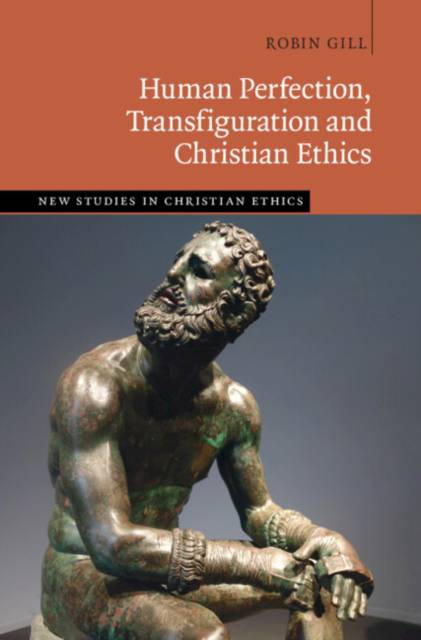
Human Perfection, Transfiguration and Christian Ethics
Robin Gill
€ 158,95
+ 317 punten
Omschrijving
Most people would agree that human perfection is unattainable. Indeed, theologians have typically expressed ambivalence about the possibility of human perfection. Yet, paradoxically, depictions of human perfection are widespread. In this volume, Robin Gill offers an interdisciplinary study of human perfection in contemporary secular culture. He demonstrates that the language of perfection is present in church memorials, popular depictions of sport, food, music and art, liturgy, and philosophy. He contrasts these examples with the socio-psychological concept of 'maladaptive perfectionism', using commercial cosmetic surgery as an example, as well as the 'adaptive perfectionism' suggested in the lives of Henry Holland, Paul Farmer, and, more ambivalently, Ludwig Wittgenstein. Gill then provides an in-depth analysis of New Testament and Septuagint usage of teleios and theological debates about the human perfection of Jesus. He argues that the Synoptic accounts of the Transfiguration offer a template for a Christian understanding of perfection that has important ecumenical implications within social ethics.
Specificaties
Betrokkenen
- Auteur(s):
- Uitgeverij:
Inhoud
- Aantal bladzijden:
- 262
- Taal:
- Engels
- Reeks:
Eigenschappen
- Productcode (EAN):
- 9781009476744
- Verschijningsdatum:
- 16/05/2024
- Uitvoering:
- Hardcover
- Formaat:
- Genaaid
- Afmetingen:
- 152 mm x 229 mm
- Gewicht:
- 517 g


Alleen bij Standaard Boekhandel
+ 317 punten op je klantenkaart van Standaard Boekhandel
Cadeau

AANGERADEN


Beoordelingen
We publiceren alleen reviews die voldoen aan de voorwaarden voor reviews. Bekijk onze voorwaarden voor reviews.