


- Afhalen na 1 uur in een winkel met voorraad
- Gratis thuislevering in België vanaf € 30
- Ruim aanbod met 7 miljoen producten
- Afhalen na 1 uur in een winkel met voorraad
- Gratis thuislevering in België vanaf € 30
- Ruim aanbod met 7 miljoen producten





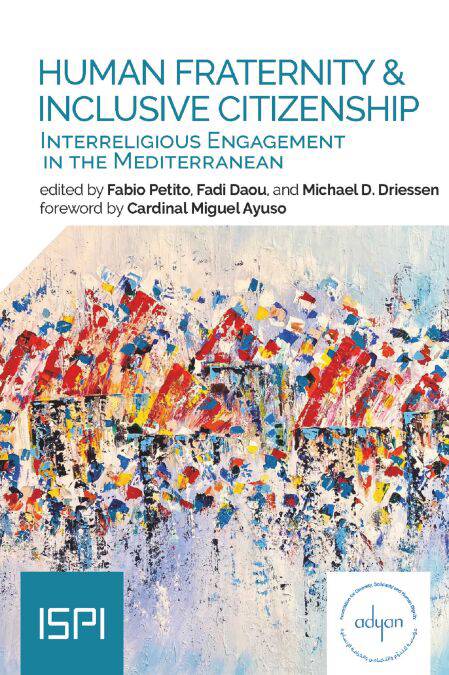
Human Fraternity & Inclusive Citizenship E-BOOK
Interreligious Engagement in the Mediterranean
Fabio Petito, Fadi Daou, Michael D. Driessen
E-book | Engels
€ 6,99
+ 6 punten
Uitvoering
Omschrijving
Polarization and discrimination linked to religion have been increasing in many parts of the world, including on the two shores of the Mediterranean. Against this background, however, seeds of hope have emerged from a number of religious leaders who have called for a new narrative of human fraternity and inclusive citizenship.
This report analyzes the opportunities which human fraternity and inclusive citizenship offer for government-religious partnerships aimed at building more inclusive and peaceful societies across both shores of the Mediterranean and puts forward interreligious engagement as a new policy framework that recognizes and amplifies these novel dynamics.
Can the interreligious narrative of human fraternity help to create new inclusive forms of citizenship? How can governments and international organizations better partner with religious leaders and communities to concretely build inclusive societies from the MENA region to Europe?
This report analyzes the opportunities which human fraternity and inclusive citizenship offer for government-religious partnerships aimed at building more inclusive and peaceful societies across both shores of the Mediterranean and puts forward interreligious engagement as a new policy framework that recognizes and amplifies these novel dynamics.
Can the interreligious narrative of human fraternity help to create new inclusive forms of citizenship? How can governments and international organizations better partner with religious leaders and communities to concretely build inclusive societies from the MENA region to Europe?
Specificaties
Betrokkenen
- Auteur(s):
- Uitgeverij:
Inhoud
- Aantal bladzijden:
- 205
- Taal:
- Engels
Eigenschappen
- Productcode (EAN):
- 9788855265157
- Verschijningsdatum:
- 7/07/2021
- Uitvoering:
- E-book
- Beveiligd met:
- Digital watermarking
- Formaat:
- ePub


Alleen bij Standaard Boekhandel
+ 6 punten op je klantenkaart van Standaard Boekhandel
Cadeau

AANGERADEN


Beoordelingen
We publiceren alleen reviews die voldoen aan de voorwaarden voor reviews. Bekijk onze voorwaarden voor reviews.