


- Afhalen na 1 uur in een winkel met voorraad
- Gratis thuislevering in België vanaf € 30
- Ruim aanbod met 7 miljoen producten
- Afhalen na 1 uur in een winkel met voorraad
- Gratis thuislevering in België vanaf € 30
- Ruim aanbod met 7 miljoen producten






€ 54,95
+ 109 punten
Eenvoudig bestellen
Veilig betalen


Gratis thuislevering vanaf € 30 (via bpost)
Gratis levering in je Standaard Boekhandel
Prijzen

Omschrijving
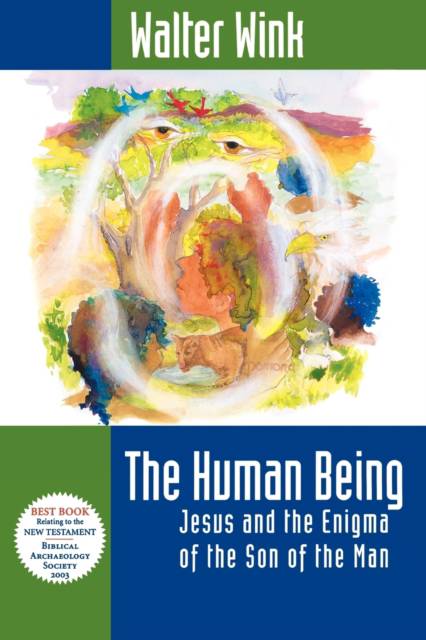
A thorny historical issue handled with artistry and imagination The epithet "the son of the man" (or "the Human Being") in the Gospels has been a highly debated topic. Wink uses this phrase to explore not only early Christology but the anthropology articulated in the Gospels. Jesus apparently avoided designations such as Messiah, Son of God, or God, though these titles were given by his disciples after his death and resurrection. But Jesus is repeatedly depicted as using the obscure expression "the Human Being" as virtually his only form of self- reference. Wink explores how Jesus' self-referential phrase came to be universalized as the "Human Being" or "Truly Human One." The Human Being is a catalytic agent for transformation, providing the form and lure and hunger to become who we were meant to be, or more properly perhaps, to become who we truly are.
Specificaties
Betrokkenen
- Auteur(s):
- Uitgeverij:
Inhoud
- Aantal bladzijden:
- 384
- Taal:
- Engels
Eigenschappen
- Productcode (EAN):
- 9780800632625
- Verschijningsdatum:
- 1/11/2001
- Uitvoering:
- Paperback
- Formaat:
- Trade paperback (VS)
- Afmetingen:
- 152 mm x 229 mm
- Gewicht:
- 508 g


Alleen bij Standaard Boekhandel
+ 109 punten op je klantenkaart van Standaard Boekhandel
CADEAU

AANGERADEN


Beoordelingen
We publiceren alleen reviews die voldoen aan de voorwaarden voor reviews. Bekijk onze voorwaarden voor reviews.