


- Afhalen na 1 uur in een winkel met voorraad
- Gratis thuislevering in België vanaf € 30
- Ruim aanbod met 7 miljoen producten
- Afhalen na 1 uur in een winkel met voorraad
- Gratis thuislevering in België vanaf € 30
- Ruim aanbod met 7 miljoen producten





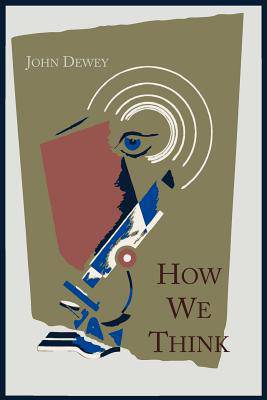
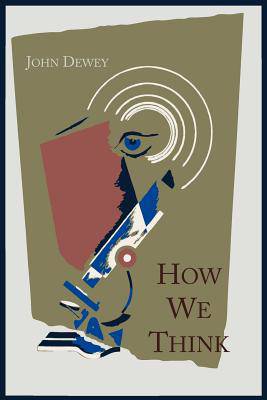
Omschrijving
2012 Reprint of 1910 Edition. Exact facsimile of the original edition, not reproduced with Optical Recognition Software. This is a brilliant and accessible exploration of thinking and its relationship to learning. Dewey's concern with experience, interaction and reflection - and his worries about linear models of thinking still make for a rewarding read. The book's influence lives on in the recent concern with experience and reflection in writers like Boud, Kolb and Schön. In "How We Think' Dewey defined critical thinking as "reflective thought", that is, to suspend judgment, maintain a healthy skepticism, and exercise an open mind. These three activities called for the active, persistent, and careful consideration of any belief in light of the ground that supports it. Dewey's definition suggests that critical thinking has both an intellectual and an emotional component. Thus we view critical thinking as the intellectual and emotional ability to go beyond the known without "falling to pieces". Students must be taught to examine, poke, question, and reflect on what they have learned. Skepticism, questioning, and reflection are essential. Examine a problem, find a solution, think about why you were or were not successful, and learn from your successes and failures.
Specificaties
Betrokkenen
- Auteur(s):
- Uitgeverij:
Inhoud
- Aantal bladzijden:
- 234
- Taal:
- Engels
Eigenschappen
- Productcode (EAN):
- 9781614272205
- Verschijningsdatum:
- 21/12/2011
- Uitvoering:
- Paperback
- Formaat:
- Trade paperback (VS)
- Afmetingen:
- 152 mm x 229 mm
- Gewicht:
- 349 g


Alleen bij Standaard Boekhandel
+ 24 punten op je klantenkaart van Standaard Boekhandel
CADEAU

AANGERADEN


Beoordelingen
We publiceren alleen reviews die voldoen aan de voorwaarden voor reviews. Bekijk onze voorwaarden voor reviews.