


- Afhalen na 1 uur in een winkel met voorraad
- Gratis thuislevering in België vanaf € 30
- Ruim aanbod met 7 miljoen producten
- Afhalen na 1 uur in een winkel met voorraad
- Gratis thuislevering in België vanaf € 30
- Ruim aanbod met 7 miljoen producten





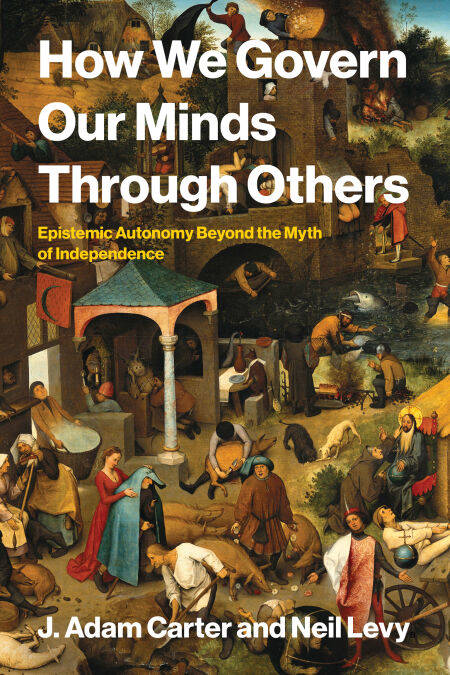
How We Govern Our Minds Through Others E-BOOK
Epistemic Autonomy Beyond the Myth of Independence
J. Adam Carter, Neil Levy
E-book | Engels
€ 44,35
+ 44 punten
Uitvoering
Omschrijving
Epistemic autonomy worth valuing requires epistemic dependence on others, as well as on tools and technology.
In How We Govern Our Minds Through Others, J. Adam Carter and Neil Levy argue that epistemic autonomy worth valuing requires various kinds of epistemic dependence on others, as well as on tools and technology. Challenging the Cartesian ideal of self-sufficient knowledge acquisition, they show that epistemic dependence is both inevitable and beneficial. Self‑governance is mediated by social relationships and institutions; we manage our beliefs and attention through collaborations, trust, and the influence of others. What emerges is a reconceptualization of epistemic autonomy as deeply social and deeply scaffolded.
Integrating insights from philosophy, cognitive science, AI ethics, and media studies, the authors offer a positive, socially scaffolded conception of epistemic self‑governance. The topics they explore include epistemic autonomy in connection with hijacked attention, intellectual collaboration with others in group settings, artificial intelligence, first-hand insight, nudging and questioning, epistemic feedback loops, and adaptive control. Their arguments have ramifications for educators and designers of digital platforms, as well as those working in the emerging landscape of AI law, digital rights, and mental privacy.
In How We Govern Our Minds Through Others, J. Adam Carter and Neil Levy argue that epistemic autonomy worth valuing requires various kinds of epistemic dependence on others, as well as on tools and technology. Challenging the Cartesian ideal of self-sufficient knowledge acquisition, they show that epistemic dependence is both inevitable and beneficial. Self‑governance is mediated by social relationships and institutions; we manage our beliefs and attention through collaborations, trust, and the influence of others. What emerges is a reconceptualization of epistemic autonomy as deeply social and deeply scaffolded.
Integrating insights from philosophy, cognitive science, AI ethics, and media studies, the authors offer a positive, socially scaffolded conception of epistemic self‑governance. The topics they explore include epistemic autonomy in connection with hijacked attention, intellectual collaboration with others in group settings, artificial intelligence, first-hand insight, nudging and questioning, epistemic feedback loops, and adaptive control. Their arguments have ramifications for educators and designers of digital platforms, as well as those working in the emerging landscape of AI law, digital rights, and mental privacy.
Specificaties
Betrokkenen
- Auteur(s):
- Uitgeverij:
Inhoud
- Aantal bladzijden:
- 202
- Taal:
- Engels
Eigenschappen
- Productcode (EAN):
- 9780262056472
- Verschijningsdatum:
- 12/10/2026
- Uitvoering:
- E-book
- Beveiligd met:
- Adobe DRM
- Formaat:
- ePub


Alleen bij Standaard Boekhandel
+ 44 punten op je klantenkaart van Standaard Boekhandel
Cadeau

AANGERADEN


Beoordelingen
We publiceren alleen reviews die voldoen aan de voorwaarden voor reviews. Bekijk onze voorwaarden voor reviews.