


- Afhalen na 1 uur in een winkel met voorraad
- Gratis thuislevering in België vanaf € 30
- Ruim aanbod met 7 miljoen producten
- Afhalen na 1 uur in een winkel met voorraad
- Gratis thuislevering in België vanaf € 30
- Ruim aanbod met 7 miljoen producten





€ 123,95
+ 247 punten
Uitvoering
Eenvoudig bestellen
Veilig betalen


Gratis thuislevering vanaf € 30 (via bpost)
Gratis levering in je Standaard Boekhandel
Omschrijving
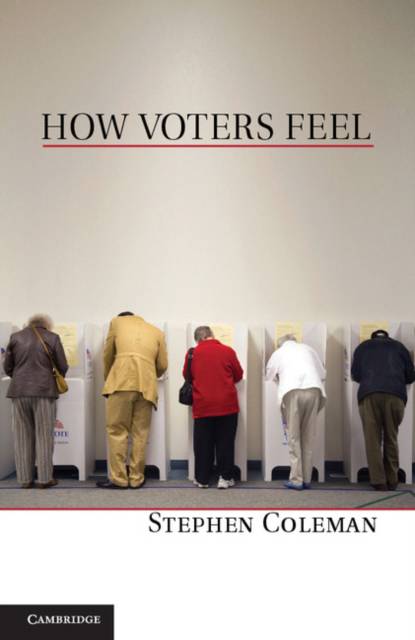
This book sets out to unearth the hidden genealogies of democracy, and particularly its most widely recognized, commonly discussed and deeply symbolic act, voting. By exploring the gaps between voting and recognition, being counted and feeling counted, having a vote and having a voice and the languor of count taking and the animation of account giving, there emerges a unique insight into how it feels to be a democratic citizen. Based on a series of interviews with a variety of voters and nonvoters, the research attempts to understand what people think they are doing when they vote; how they feel before, during and after the act of voting; how performances of voting are framed by memories, narratives and dreams; and what it means to think of oneself as a person who does (or does not) vote. Rich in theory, this is a contribution to election studies that takes culture seriously.
Specificaties
Betrokkenen
- Auteur(s):
- Uitgeverij:
Inhoud
- Aantal bladzijden:
- 280
- Taal:
- Engels
Eigenschappen
- Productcode (EAN):
- 9781107014602
- Verschijningsdatum:
- 25/02/2013
- Uitvoering:
- Hardcover
- Formaat:
- Genaaid
- Afmetingen:
- 147 mm x 218 mm
- Gewicht:
- 476 g


Alleen bij Standaard Boekhandel
+ 247 punten op je klantenkaart van Standaard Boekhandel
CADEAU

AANGERADEN


Beoordelingen
We publiceren alleen reviews die voldoen aan de voorwaarden voor reviews. Bekijk onze voorwaarden voor reviews.