



- Afhalen na 1 uur in een winkel met voorraad
- In januari gratis thuislevering in België
- Ruim aanbod met 7 miljoen producten
- Afhalen na 1 uur in een winkel met voorraad
- In januari gratis thuislevering in België
- Ruim aanbod met 7 miljoen producten





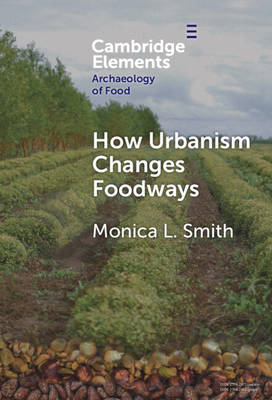
Omschrijving
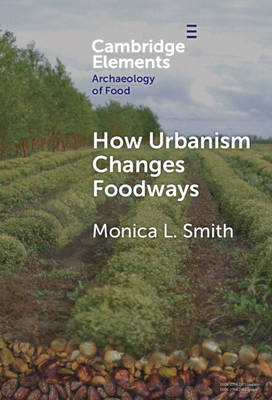
The advent of urbanism had profound impacts on landscape management, agricultural production, food preservation, and cuisine. This Element examines the 6,000-year history of urbanism through the archaeological perspective of food, using the analysis of cooking and eating vessels, botanical remains, and animal bones along with texts and iconographic evidence to understand the foodways that spurred and accompanied the growth of cities. Human-environmental changes took place as farmers became fewer in number but increasingly essential as providers of food for city-based consumers. The Element also examines the ways in which cities today share patterns of food production and consumption with the first urban settlements, and that we can address questions of sustainability, nutritional improvement, and other desired outcomes by recognizing how the growth of cities has resulted in distinct constraints and opportunities related to food.
Specificaties
Betrokkenen
- Auteur(s):
- Uitgeverij:
Inhoud
- Aantal bladzijden:
- 78
- Taal:
- Engels
- Reeks:
Eigenschappen
- Productcode (EAN):
- 9781009564885
- Verschijningsdatum:
- 8/01/2026
- Uitvoering:
- Hardcover
- Formaat:
- Genaaid
- Afmetingen:
- 152 mm x 229 mm
- Gewicht:
- 276 g


Alleen bij Standaard Boekhandel
+ 225 punten op je klantenkaart van Standaard Boekhandel
Cadeau

AANGERADEN


Beoordelingen
We publiceren alleen reviews die voldoen aan de voorwaarden voor reviews. Bekijk onze voorwaarden voor reviews.