


- Afhalen na 1 uur in een winkel met voorraad
- Gratis thuislevering in België vanaf € 30
- Ruim aanbod met 7 miljoen producten
- Afhalen na 1 uur in een winkel met voorraad
- Gratis thuislevering in België vanaf € 30
- Ruim aanbod met 7 miljoen producten





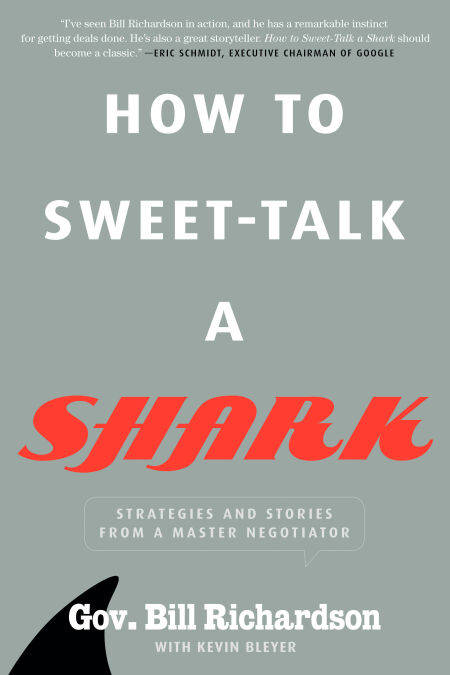
How to Sweet-Talk a Shark E-BOOK
Strategies and Stories from a Master Negotiator
Bill Richardson, Kevin Bleyer
E-book | Engels
€ 13,88
+ 13 punten
Omschrijving
Sharks are not evil. But they're single-minded and very, very hungry. On land, they take the form of bosses, businesspeople, colleagues, family, and sociopathic neighbors. In the world of former governor of New Mexico and US ambassador to the United Nations Bill Richardson, they have taken the form of the most powerful people in the world. He's engaged in high-stakes, face-to-face negotiations with Castro, Saddam, the Taliban, two generations of North Korean leadership, and many more of the world's most infamous dictators—and done it so well he was known as the "Undersecretary of Thugs" while with the Clinton administration. Now the 5-time Nobel Peace Prize nominee tells these stories—from Washington, DC, to the Middle East to Pyongyang—in all their intense and sometimes absurd glory.
How to Sweet-Talk a Shark is a rare, candid, and entertaining glimpse into an insider's world of high-stakes negotiation—showing Richardson's successes and failures in some of the world's least friendly places. Meanwhile, readers get frank lessons in the art of negotiation: how to prepare, how to size up your opponent, how to understand the nature of power in a standoff, how to give up only what is necessary while getting what you want, and many other strategies Richardson has mastered through at-the-table experience—and from working with other master negotiators like Presidents Obama and Clinton, and Nelson Mandela. These are takeaways that anyone can use to negotiate with the power brokers, dealmakers, and, yes, the hungry sharks in their own lives.
How to Sweet-Talk a Shark is a rare, candid, and entertaining glimpse into an insider's world of high-stakes negotiation—showing Richardson's successes and failures in some of the world's least friendly places. Meanwhile, readers get frank lessons in the art of negotiation: how to prepare, how to size up your opponent, how to understand the nature of power in a standoff, how to give up only what is necessary while getting what you want, and many other strategies Richardson has mastered through at-the-table experience—and from working with other master negotiators like Presidents Obama and Clinton, and Nelson Mandela. These are takeaways that anyone can use to negotiate with the power brokers, dealmakers, and, yes, the hungry sharks in their own lives.
Specificaties
Betrokkenen
- Auteur(s):
- Uitgeverij:
Inhoud
- Aantal bladzijden:
- 256
- Taal:
- Engels
Eigenschappen
- Productcode (EAN):
- 9781623360580
- Verschijningsdatum:
- 14/10/2013
- Uitvoering:
- E-book
- Beveiligd met:
- Adobe DRM
- Formaat:
- ePub


Alleen bij Standaard Boekhandel
+ 13 punten op je klantenkaart van Standaard Boekhandel
CADEAU

AANGERADEN


Beoordelingen
We publiceren alleen reviews die voldoen aan de voorwaarden voor reviews. Bekijk onze voorwaarden voor reviews.