


- Afhalen na 1 uur in een winkel met voorraad
- Gratis thuislevering in België vanaf € 30
- Ruim aanbod met 7 miljoen producten
- Afhalen na 1 uur in een winkel met voorraad
- Gratis thuislevering in België vanaf € 30
- Ruim aanbod met 7 miljoen producten





Omschrijving
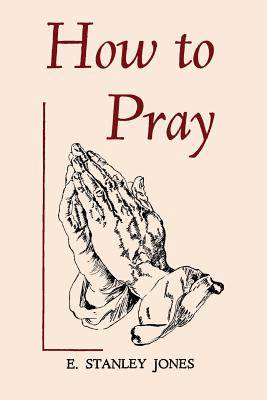
2014 Reprint of 1943 Edition. Full facsimile of the original edition, not reproduced with Optical Recognition Software. In his book, "How To Pray," E. Stanley Jones explains that in prayer "you are being fashioned into a person who lives by principles rather than pulse-beats, by decisions rather than by delights. Prayer is always right, with or without an emotional content ... for prayer is not only an act; it is an attitude." Eli Stanley Jones (1884-1973) was a 20th-century Methodist Christian missionary and theologian. He is remembered chiefly for his interreligious lectures to the educated classes in India, thousands of which were held across the Indian subcontinent during the first decades of the 20th century. According to his and other contemporary reports, his friendship for the cause of Indian self-determination allowed him to become a friend of leaders of the up-and-coming Indian National Congress party. He spent much time with Mohandas K. Gandhi, and the Nehru family. Gandhi challenged Jones and, through Jones' writing, the thousands of Western missionaries working there during the last decades of the British Raj, to include greater respect for the mindset and strengths of the Indian character in their work.
Specificaties
Betrokkenen
- Auteur(s):
- Uitgeverij:
Inhoud
- Aantal bladzijden:
- 26
- Taal:
- Engels
Eigenschappen
- Productcode (EAN):
- 9781614276678
- Verschijningsdatum:
- 11/07/2014
- Uitvoering:
- Paperback
- Formaat:
- Trade paperback (VS)
- Afmetingen:
- 152 mm x 229 mm
- Gewicht:
- 54 g


Alleen bij Standaard Boekhandel
+ 16 punten op je klantenkaart van Standaard Boekhandel
Cadeau

AANGERADEN


Beoordelingen
We publiceren alleen reviews die voldoen aan de voorwaarden voor reviews. Bekijk onze voorwaarden voor reviews.